Norfolk Museums
|
Due to its rich history, Norfolk has plenty to showcase in its museums, including its life and industry throughout the ages. |
|
An Introduction to Norfolk Museums
|

Due to its rich history, Norfolk has plenty to showcase in its museums, including its life and industry throughout the ages. Norwich has three outstanding museums, that showcase its life and industry - all are within walking distance of each other and should form part of your agenda for your visit to Norwich. Kings Lynn also has some outstanding museums charting ts history and the people that lived there. The Norfolk Coast is a key part of the county and you can see how people lived and worked in coastal resorts such as Cromer, Mundesley and Great Yarmouth. The Norfolk Broads are also a key part of Norfolk and the museum of the Broads showcases life in the region. Don't miss the Radar Museum at Neatishead, which played a vital role in the defence of our country for over 60 years. Finally, the museums in Wymondham, show the life and times in the area, including its restored railway station. |
Here is our pick of some of the best Museums in Norfolk
|
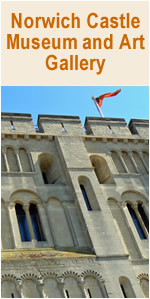
One of the most famous Norwich landmarks, Norwich Castle was built by the Normans as a Royal Palace 900 years ago. Used as a prison from the 14th century, the Castle became a museum in 1894. One of Norfolk's principal museums, the Castle is packed with treasures including outstanding collections of fine art, archaeology and natural history - some exhibits are of national importance including the world's largest collection of ceramic teapots. |
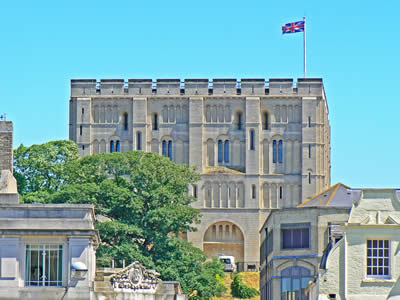
Norwich Castle Keep |
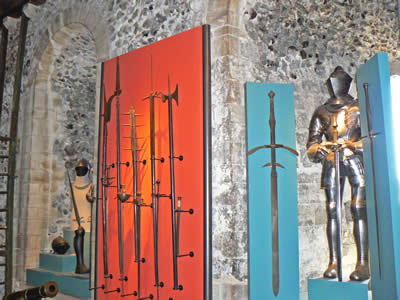
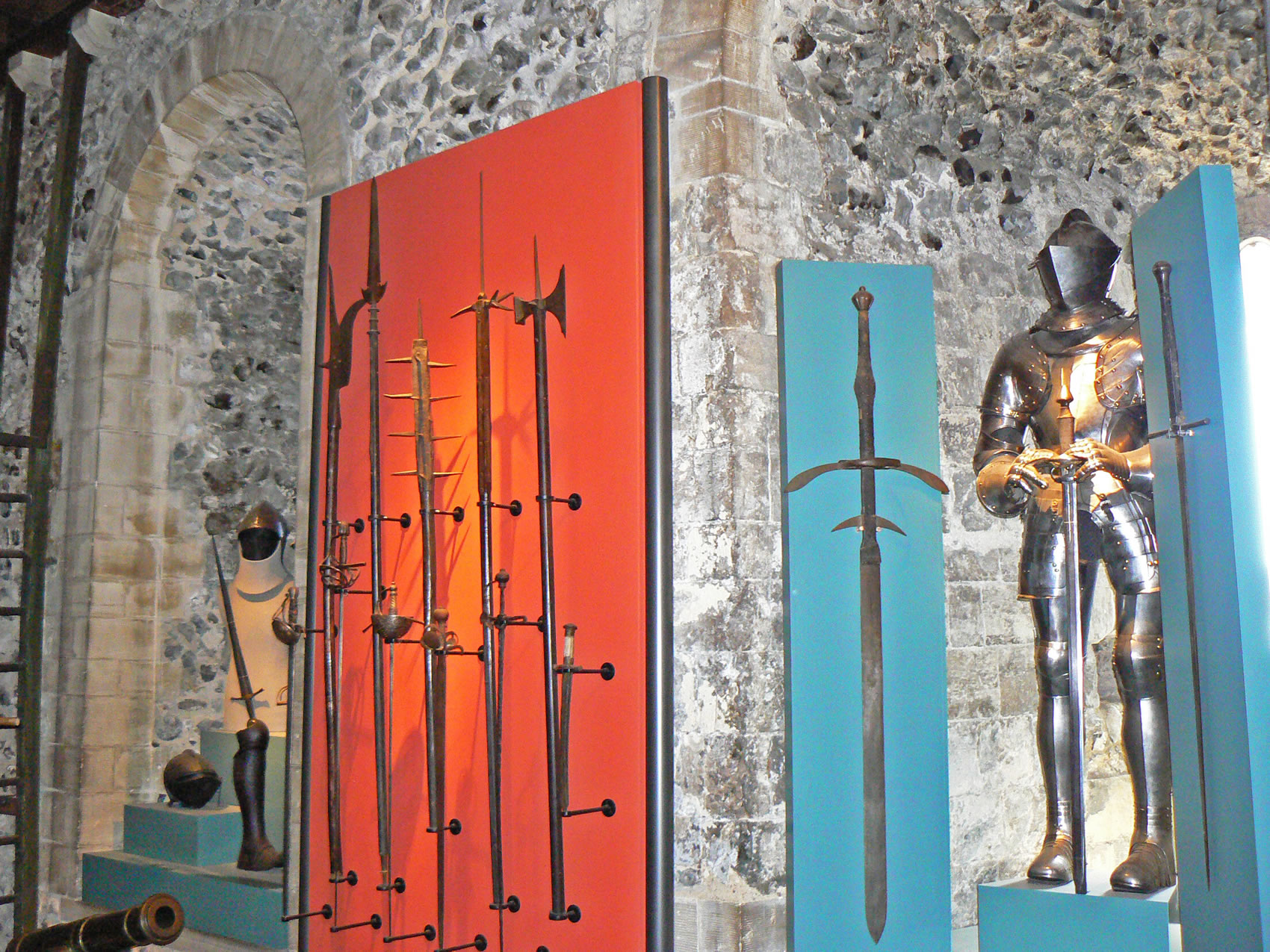
Norwich Castle Medieval Knight and Armour |
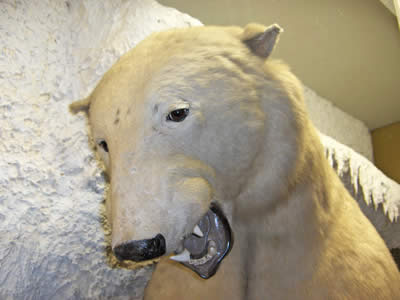
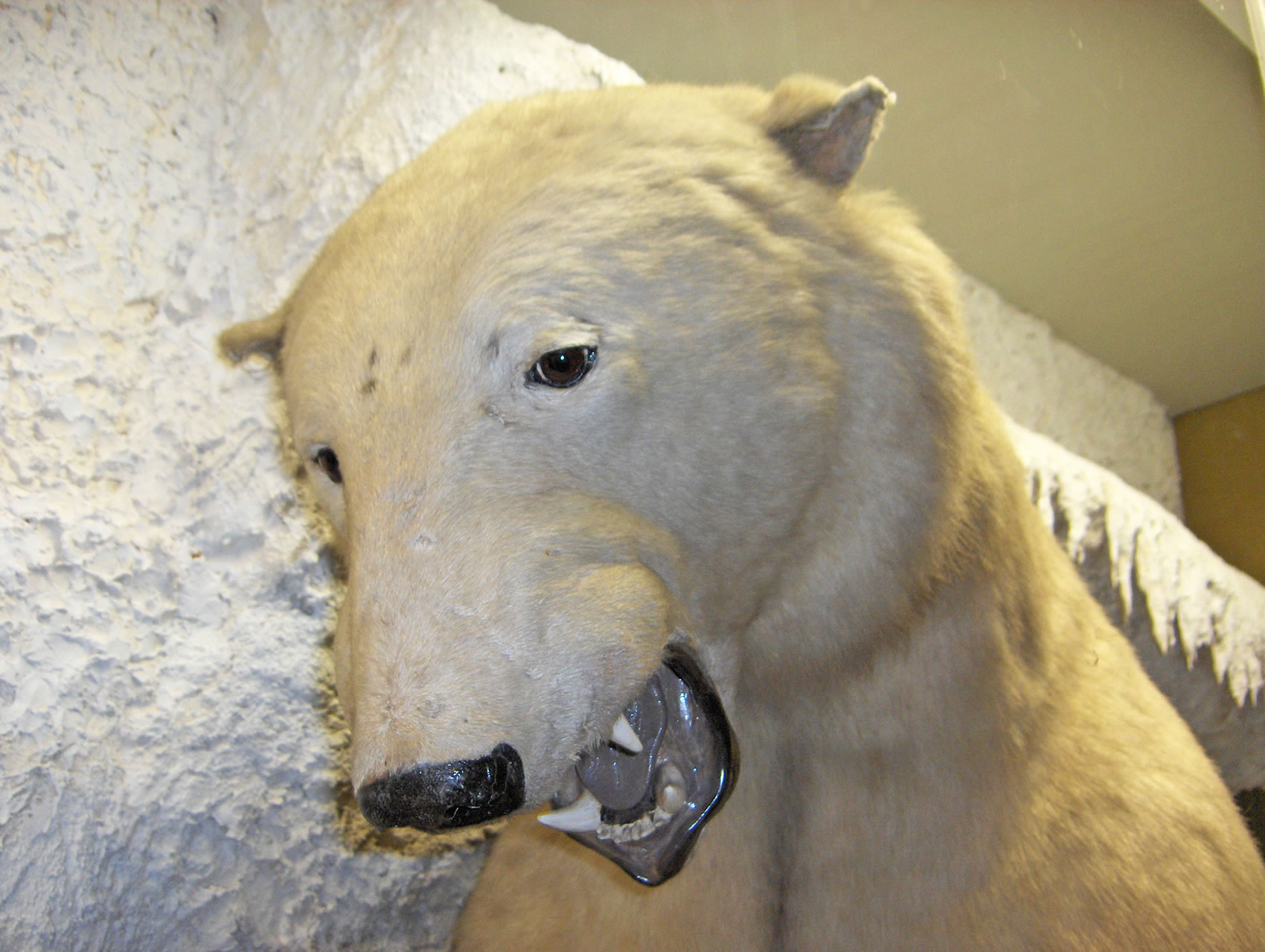
Norwich Castle Natural History Museum |
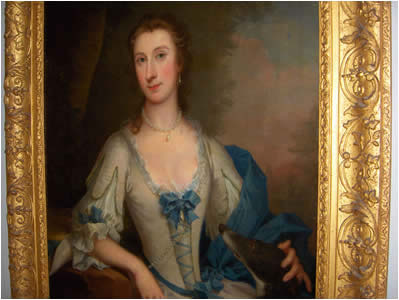
Norwich Castle Art Gallery |
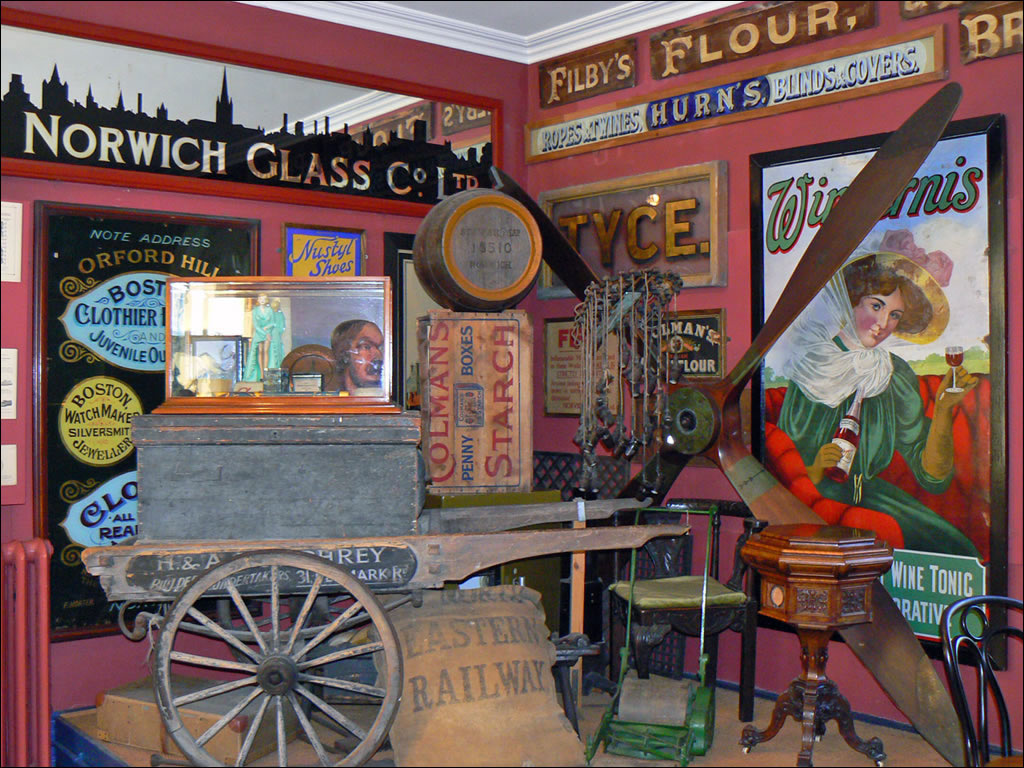
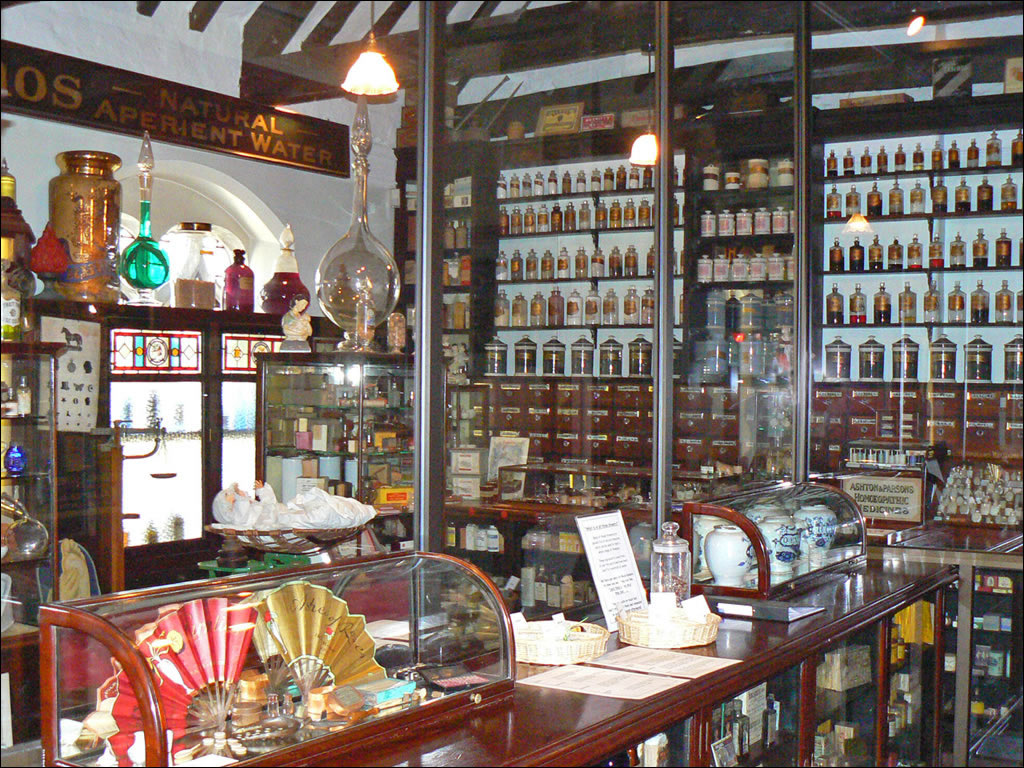
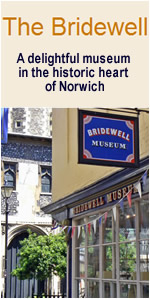
The Bridewell Museum shows Norwich life and industry. The building was a former merchant's house dating from 1325 and then a prison for tramps and women (a bridewell). You can see displays covering the Norwich food industry, iron foundries and examples of early fire appliances. Highlights of the museum include a fine collection of old shoes, all manufactured in Norwich and also a recreation of a 1930's pharmacy, one of the most complete examples in the country. Make sure you do not miss the undercroft - it is one of the best examples in the whole of Norwich and the wall of the museum building is one the best preserved examples of a flint construction. |
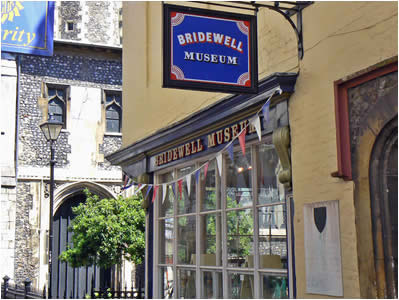
Norwich Bridewell Museum |
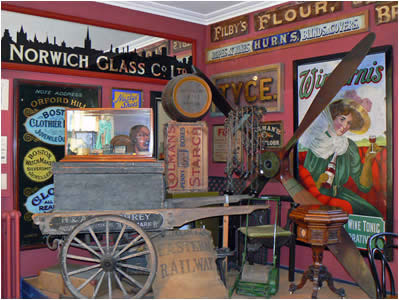
Norwich Bridewell Museum - Norwich Industry |
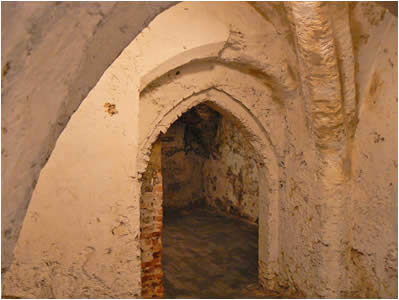
Norwich Undercroft |
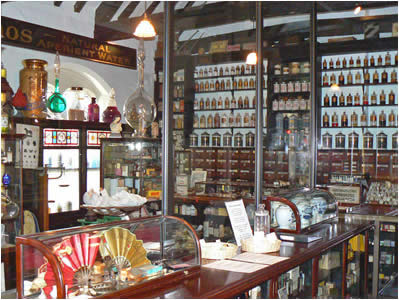
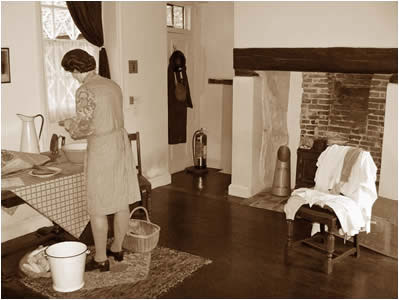
Norwich Bridewell Museum - Norwich Pharmacy |
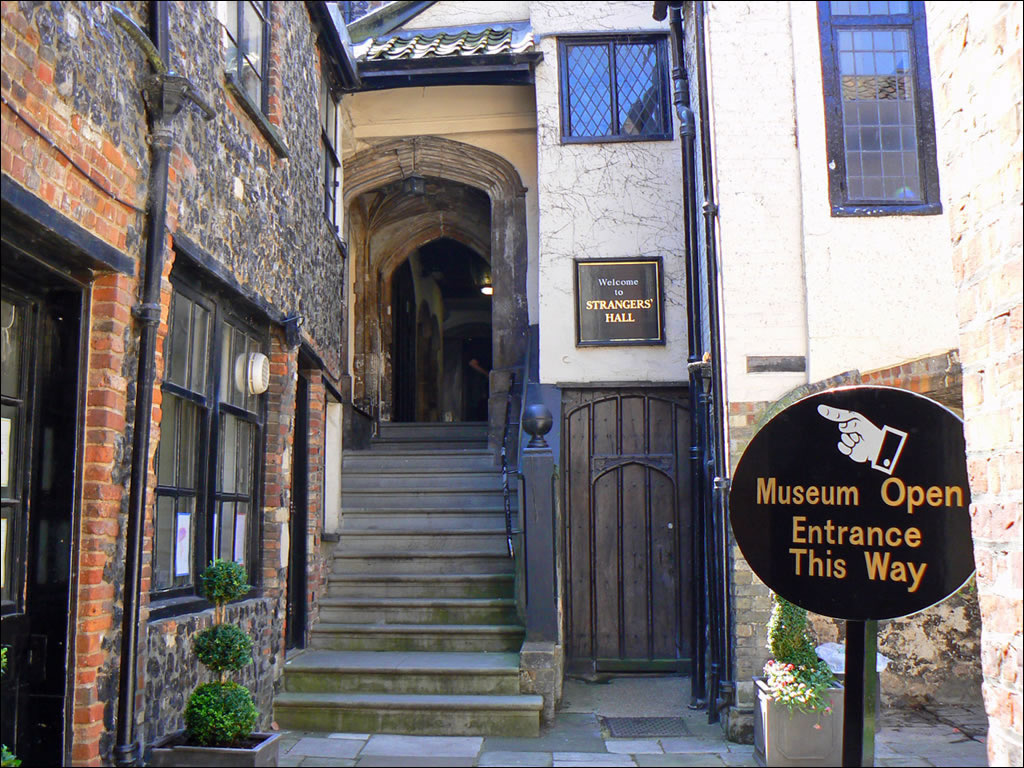
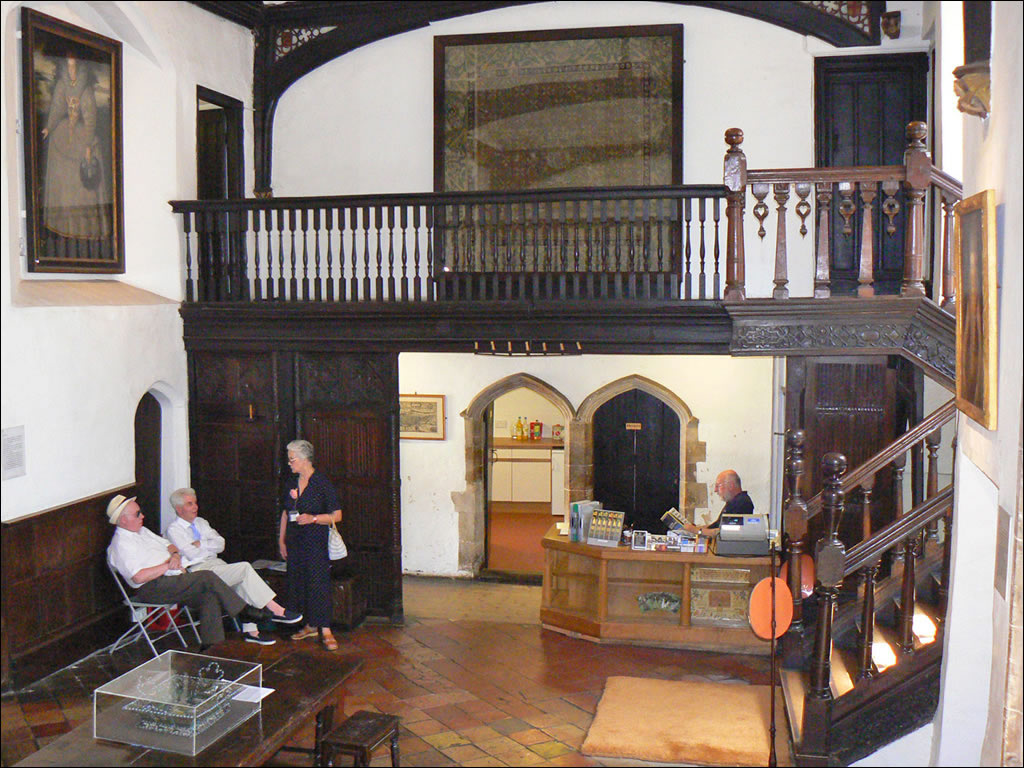
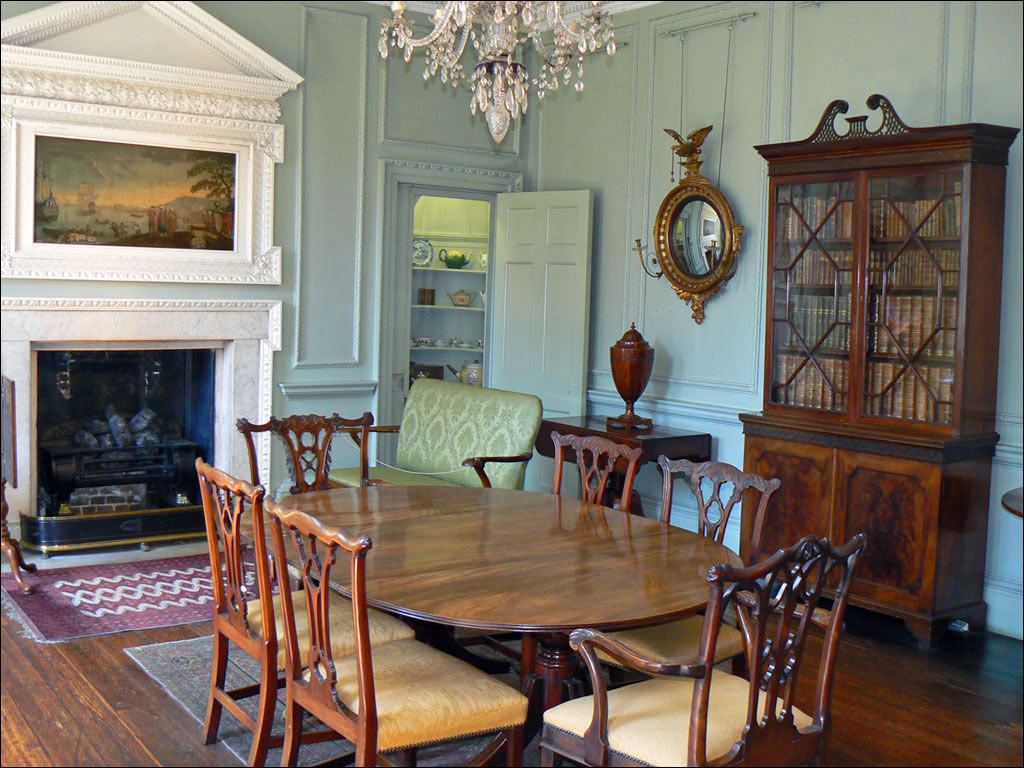
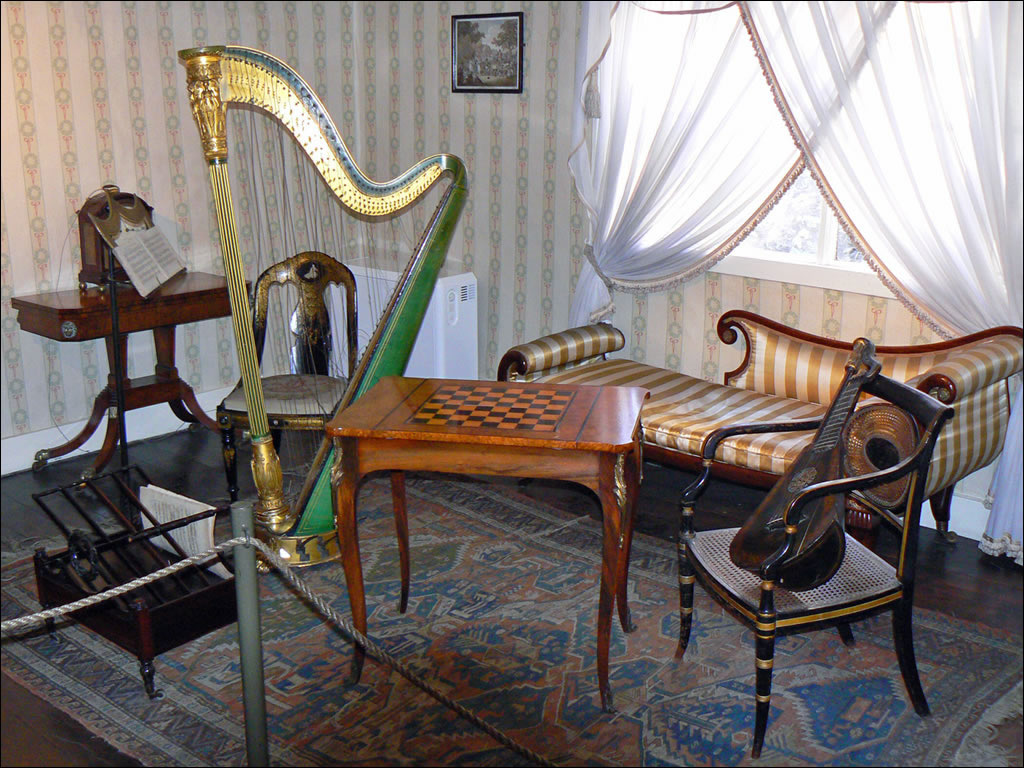
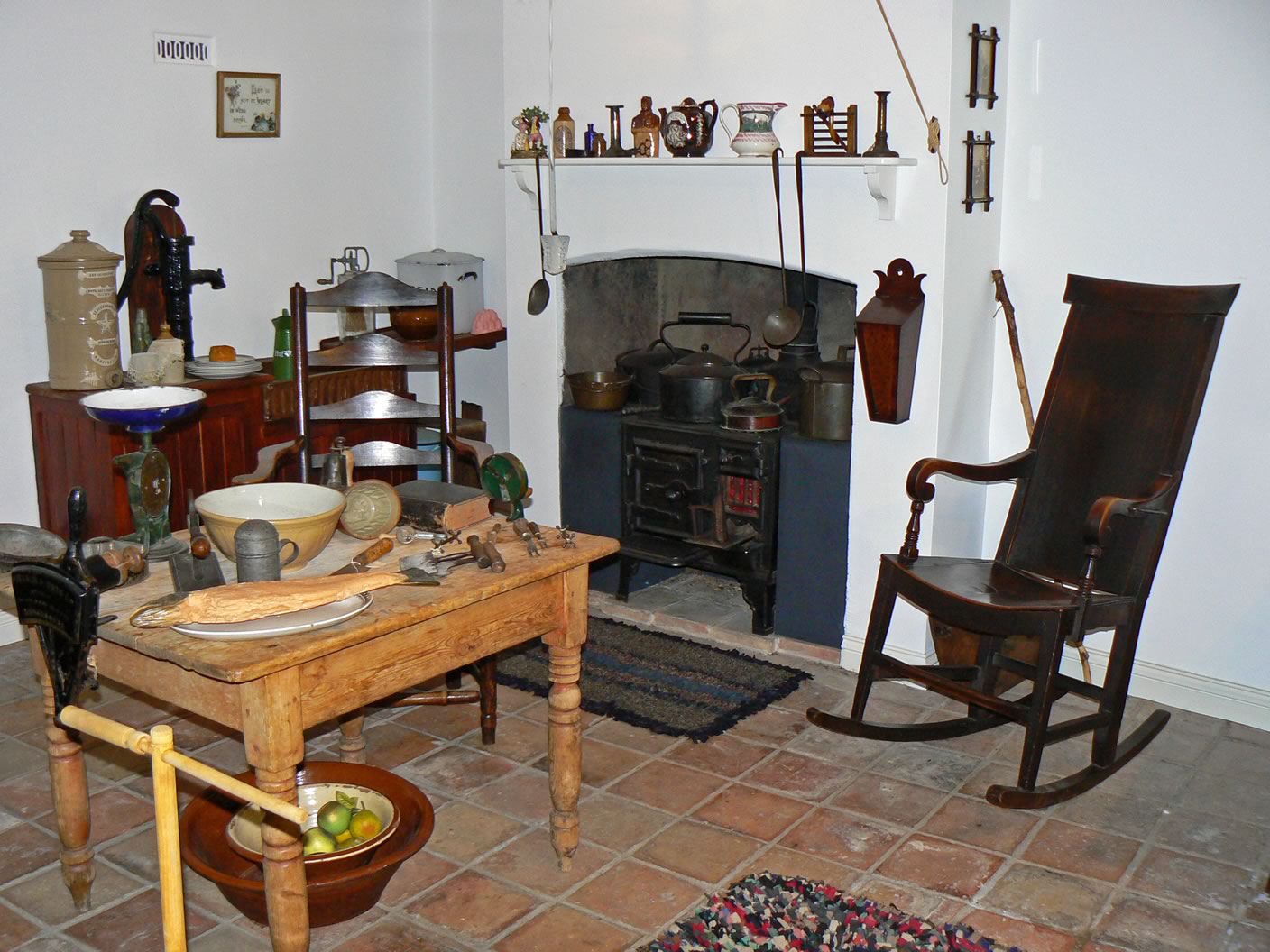
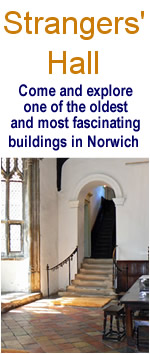
At nearby Strangers Hall, one of the oldest buildings in Norwich, there is a museum of English domestic life. The house is set out as a series of rooms, showing how people lived from Tudor to Victorian times. There is a warren of passages, staircases and interlinked rooms, including several dining rooms, a music room and a room made completely from paper! Highlights of the museum include a stone vaulted undercroft, dating from 1320 and now housing a collection of old transport and also the magnificent Tudor Great Hall, with its stone mullioned window and screen. |
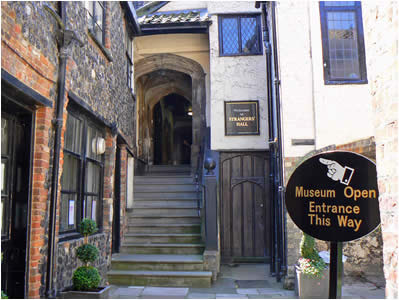
Norwich Strangers Hall Museum, Tel: 01603 667229 |
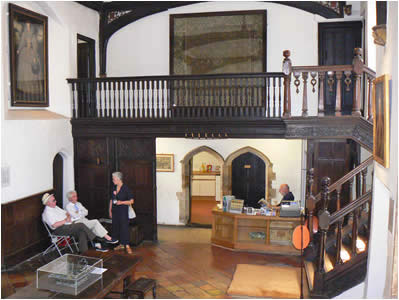
Norwich Strangers Hall |
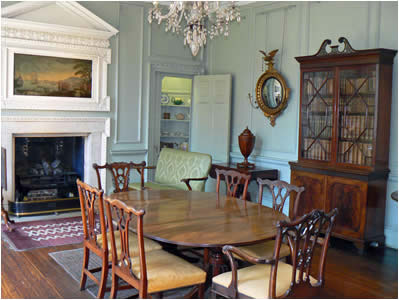
Norwich Strangers Hall - Dining Room |
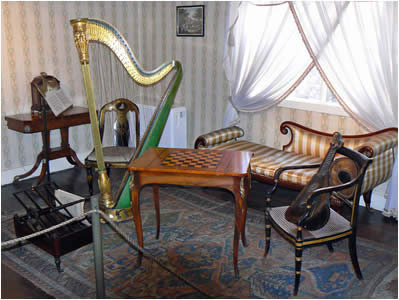
Norwich Strangers Hall - Music Room |
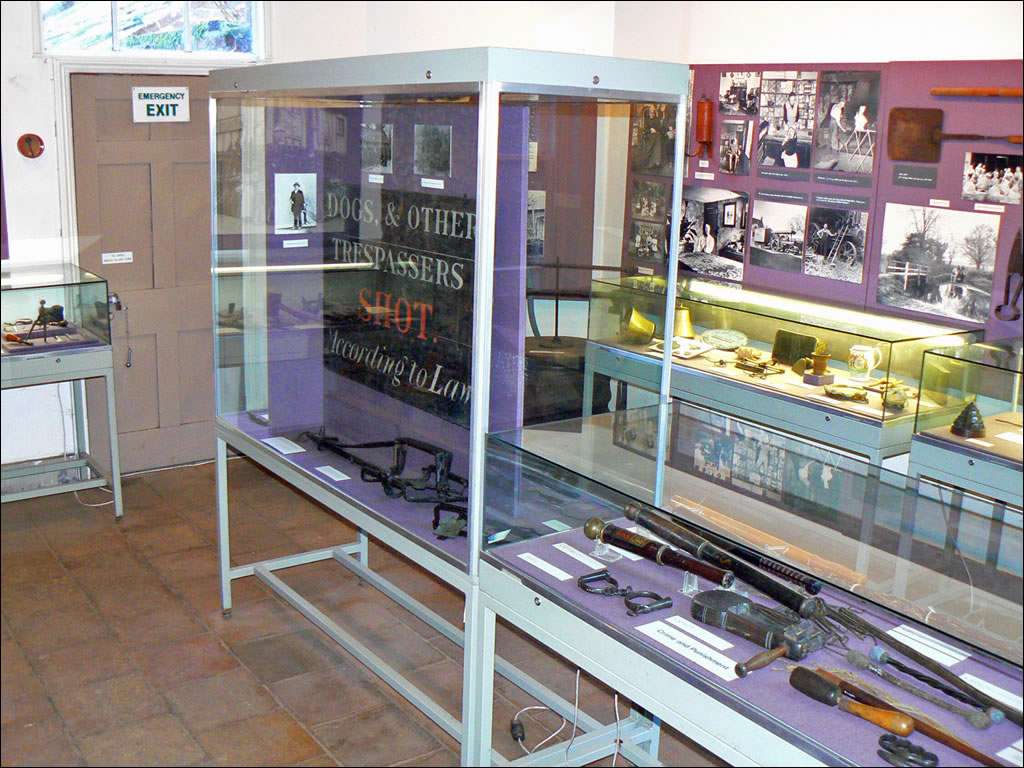
Kings Lynn has some excellent museums showcasing its history and the people that lived here. Adjacent to the Town Hall is a converted town house containing the Museum of Lynn Life. This museum allows you to explore everyday life in Lynn through the ages. There are recreated rooms, costumes, toys and a delightful garden. The magnificent Town Hall, dating back to the 15th century, houses the Gaol House which is now a museum where you can hear the stories of local highwaymen, smugglers, robbers and the punishments that were given to them. The museum also contains the Regalia room, containing fine civic treasures such as the King John Cup. Kings Lynn also contains True's Yard Fishing Heritage Museum, where you can explore Lynn's maritime past in a building that was once 2 fishermen's cottages. |
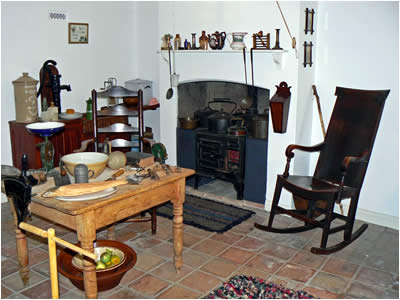
Victorian Kings Lynn Life Museum |
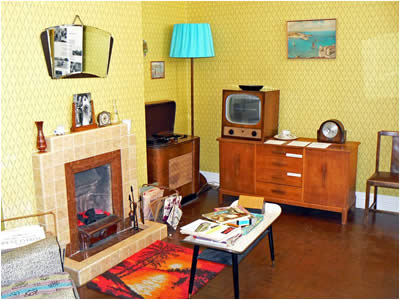
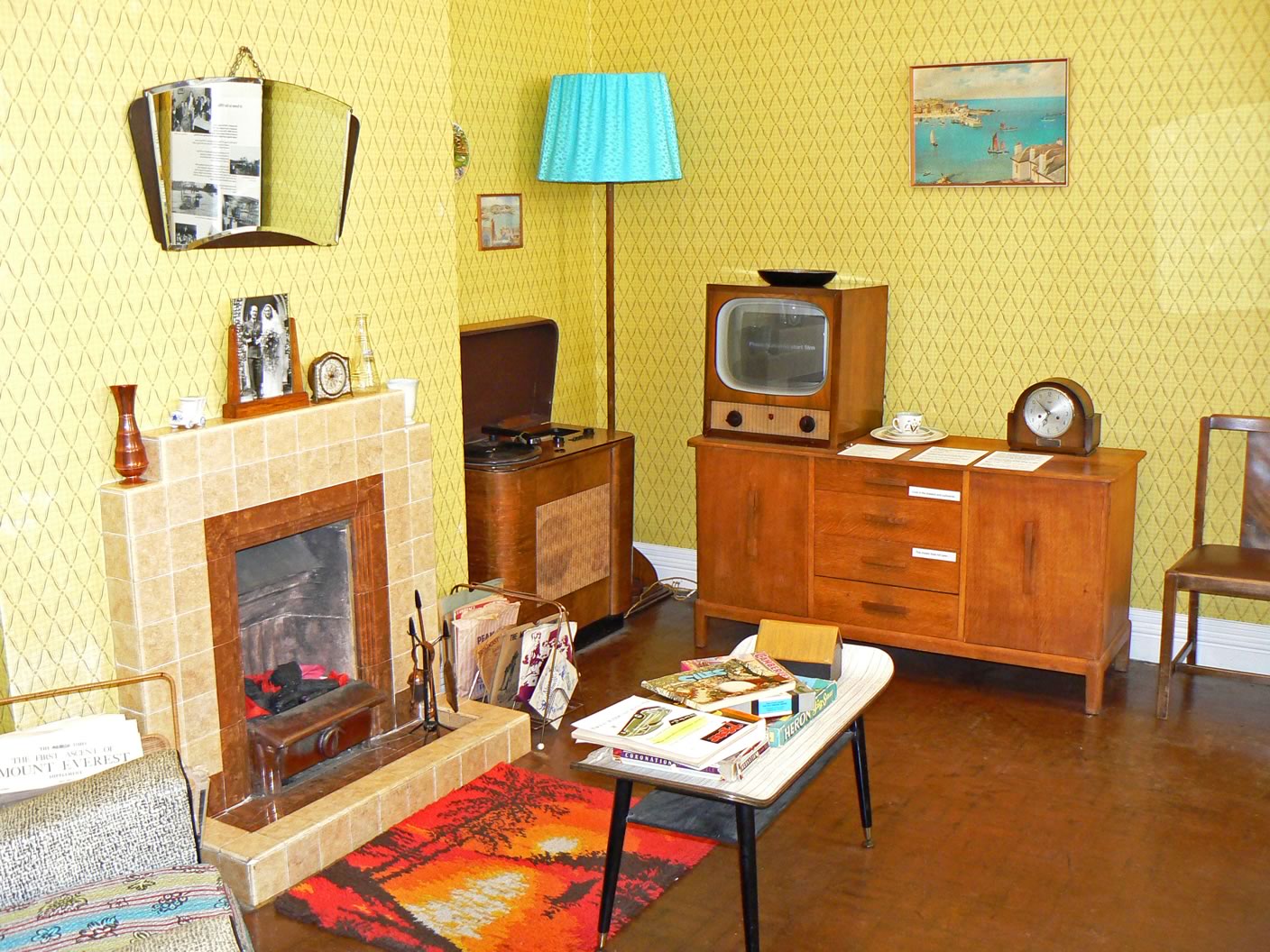
1950's Kings Lynn Life |
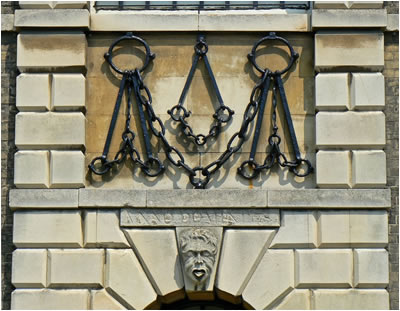
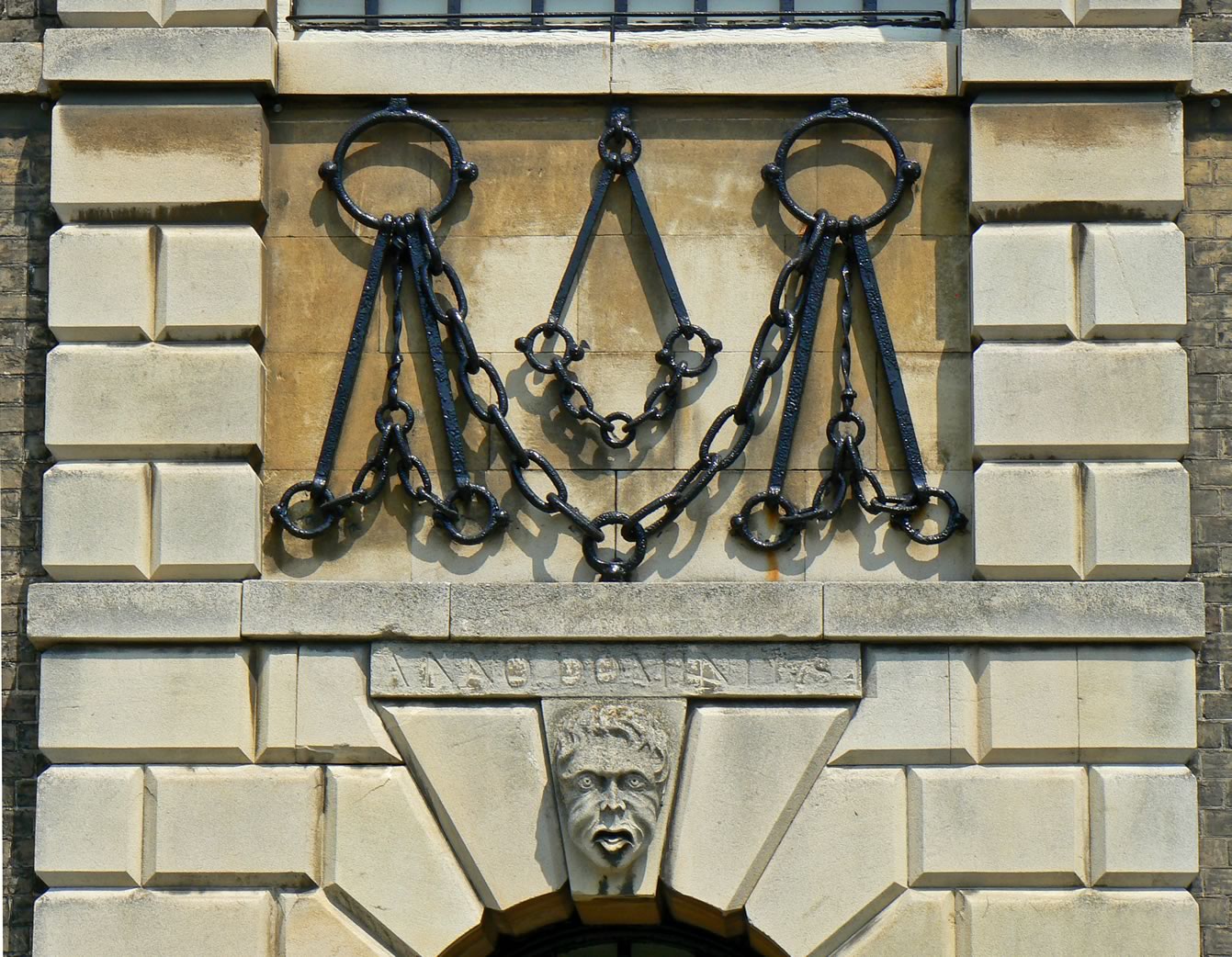
Gaol House |
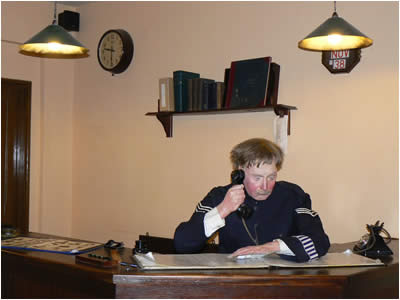
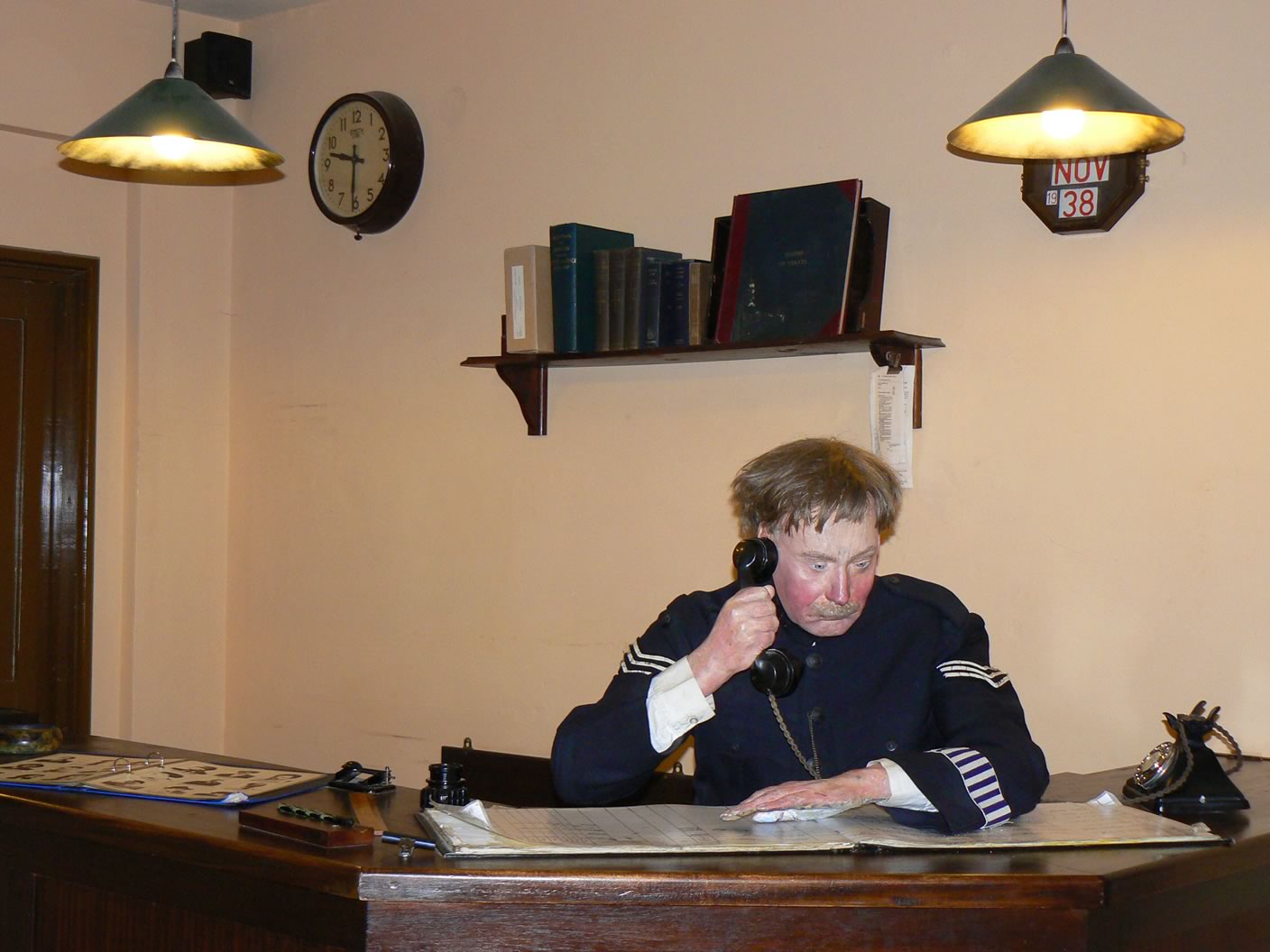
Gaol House Police Reception |
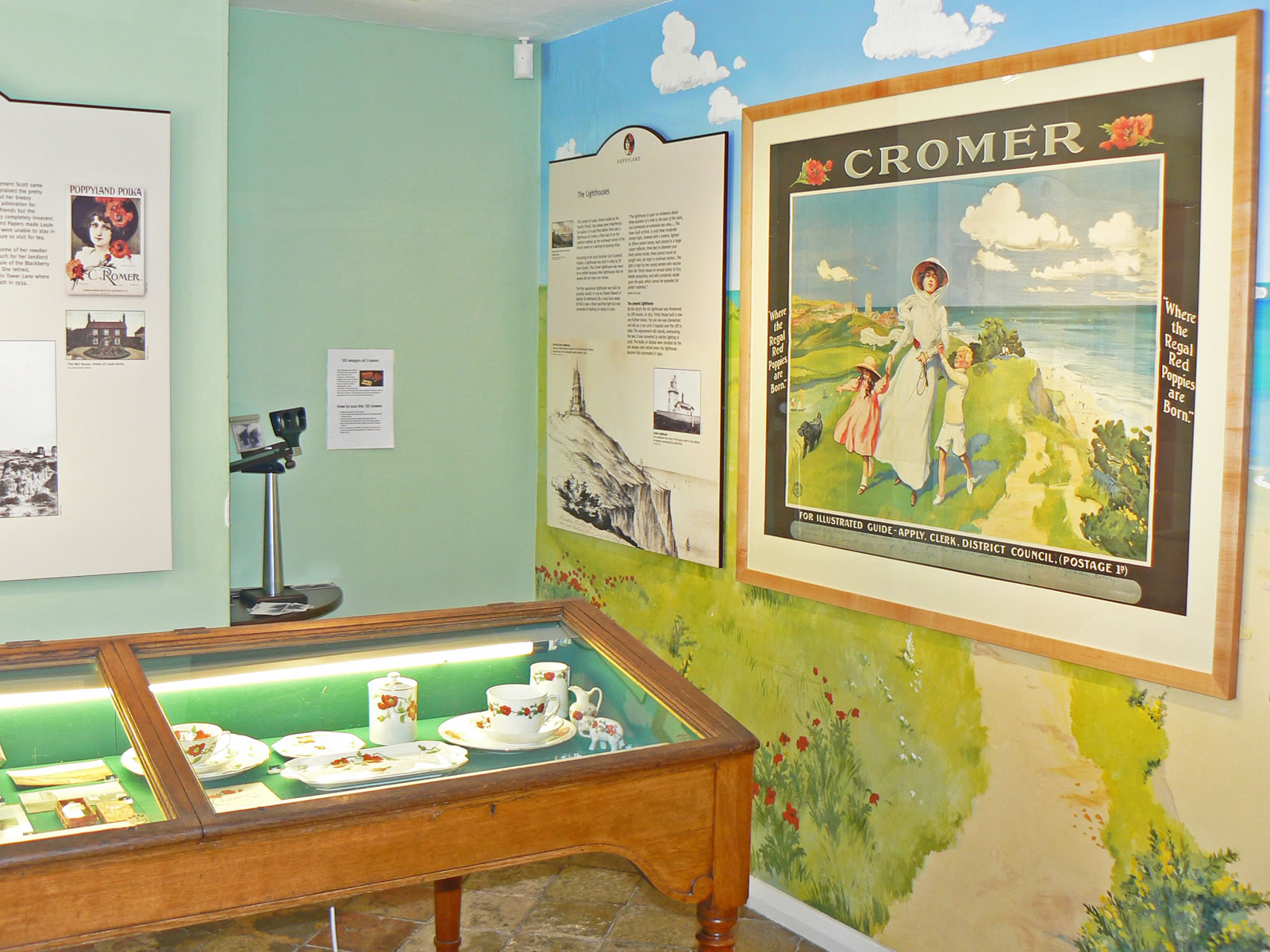
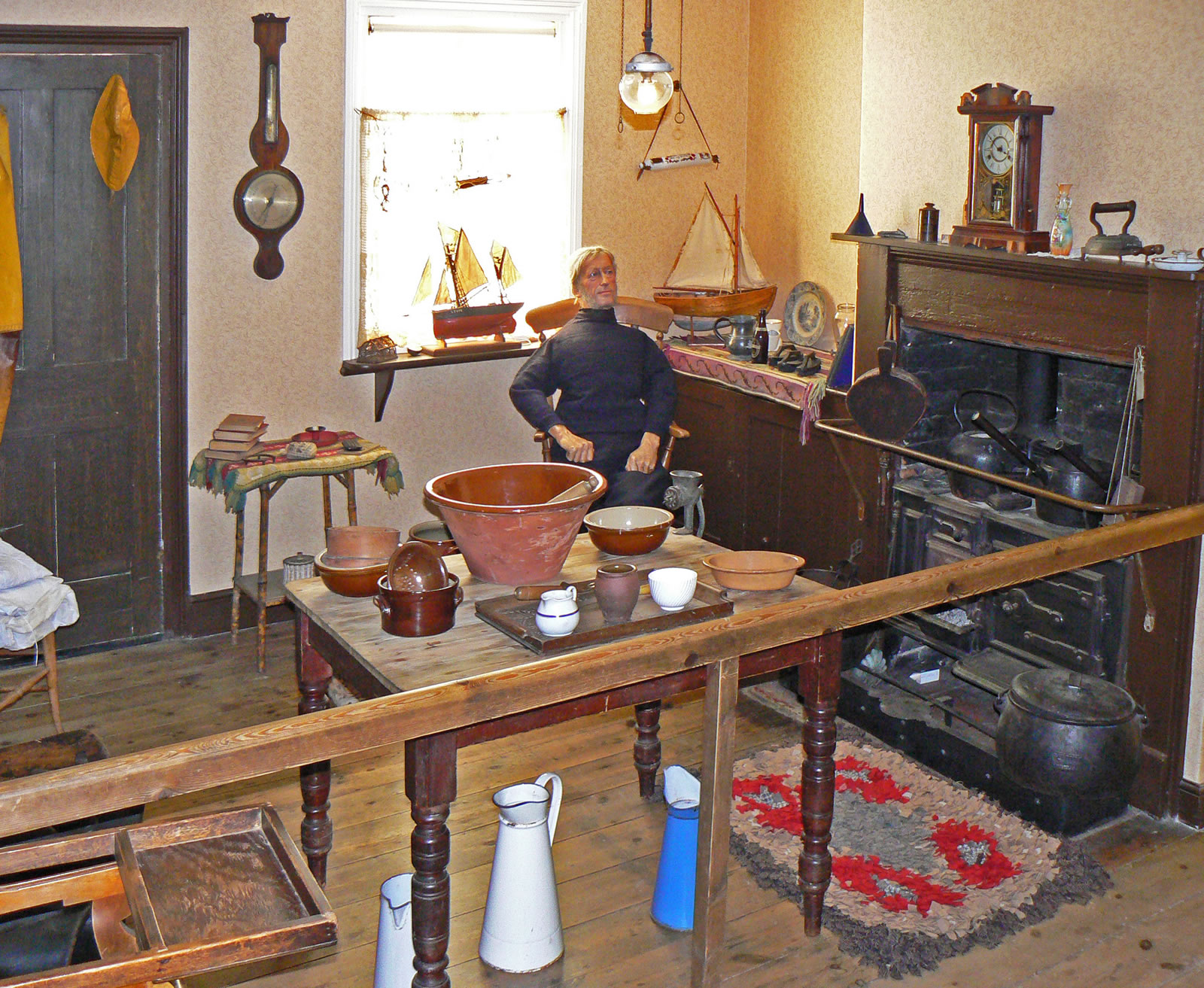
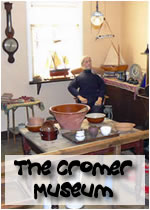
Cromer, on the North Norfolk Coast, also contains a number of museums charting its history over the years, including the Cromer Museum (adjacent to the church). The Cromer Museum contains a Victorian fisherman's cottage and shows what it was like to live in Cromer at the end of the 19th Century. There is a picture gallery, with a collection of historic photographs and illustrations of the town, and a Geology gallery where you can see an amazing collection of fossils. |
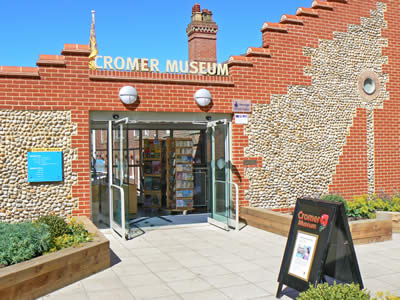
The Cromer Museum |
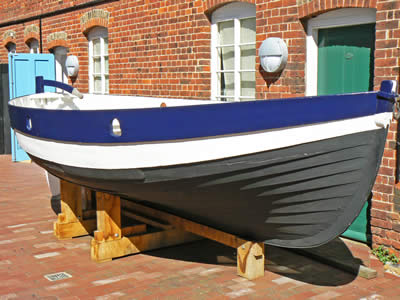
Lifeboat at the Cromer Museum |
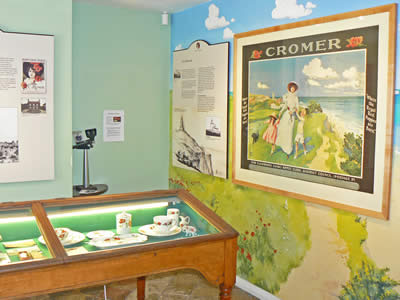
Cromer Museum gallery and exhibits |
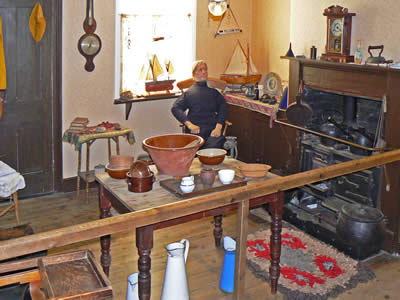
Victorian fisherman cottage in the Cromer Museum |
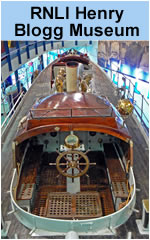
Also in Cromer is a museum that is a tribute to the most famous coxswain of all, Henry Blogg; you can learn of his exploits in the RNLI Henry Blogg Lifeboat Museum, with the centerpiece being a Watson class lifeboat HF Bailey, built in 1935 and served heroically under Blogg in WW2. Coxswain Henry Blogg (1876-1954) was the RNLI's most decorated lifeboatman and during his 53 years of service, with the assistance of his dedicated crew, he launched some 387 times and helped to save 873 lives around the Cromer coast. This fabulous family friendly museum, with its interactive displays, is a great opportunity to learn about one of Norfolk's heroes. |
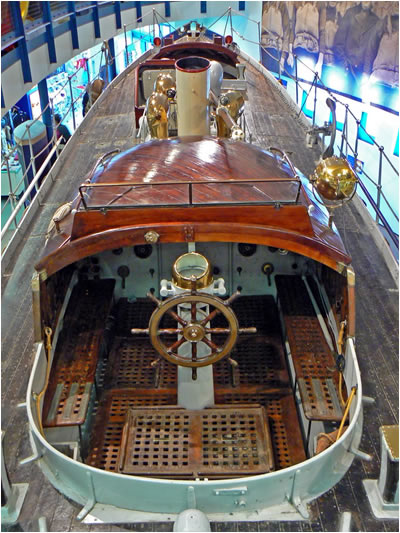
Watson class lifeboat HF Bailey |
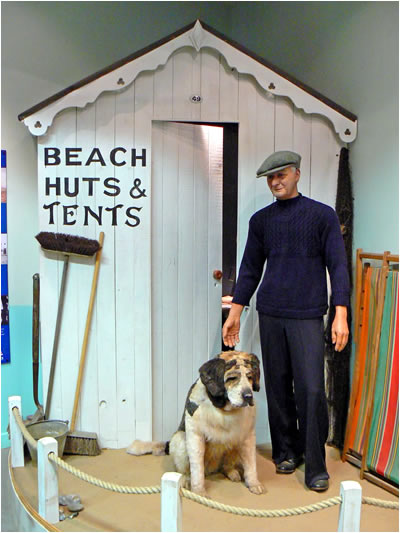
Henry Blogg in the Lifeboat Museum |
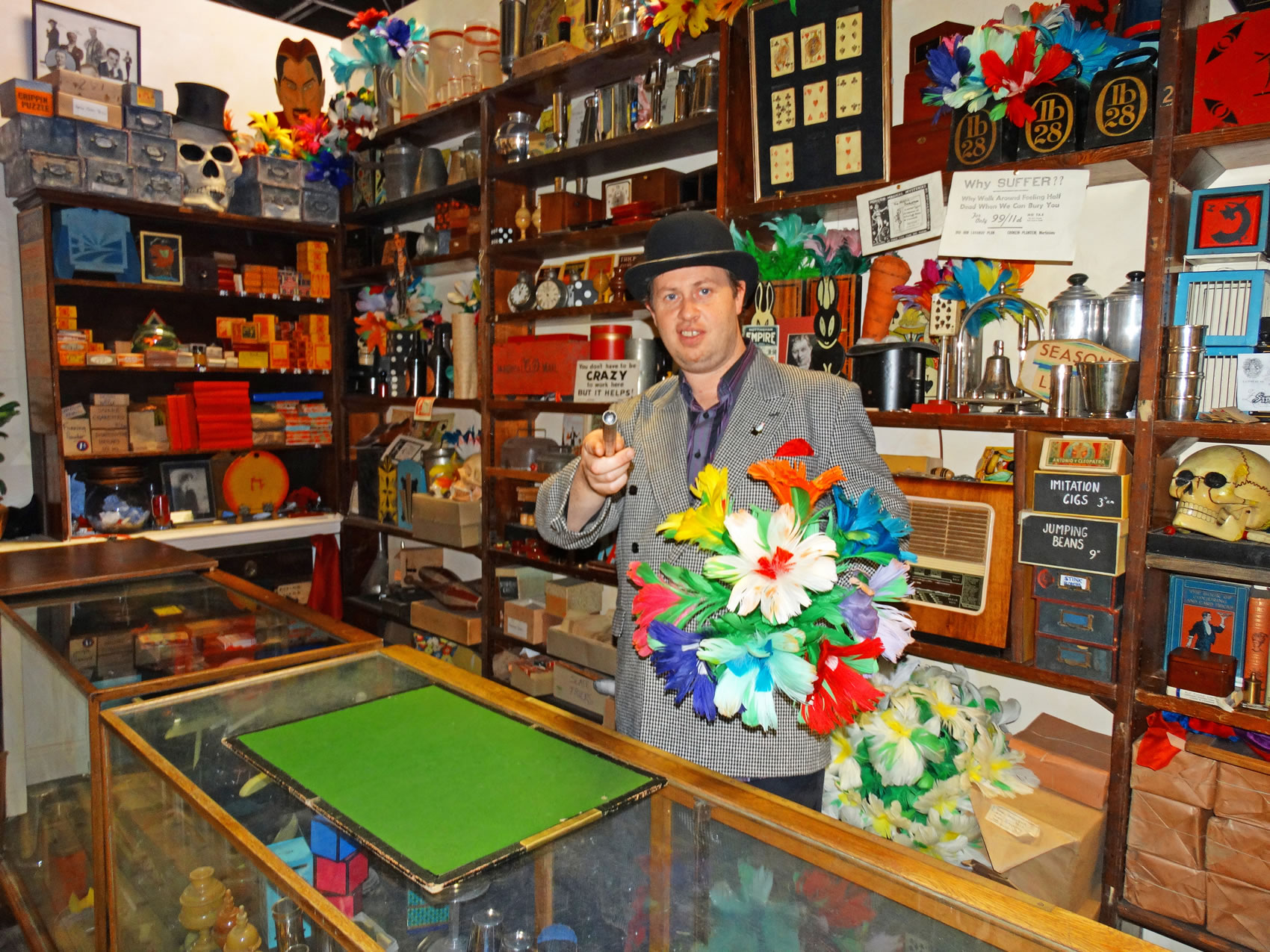
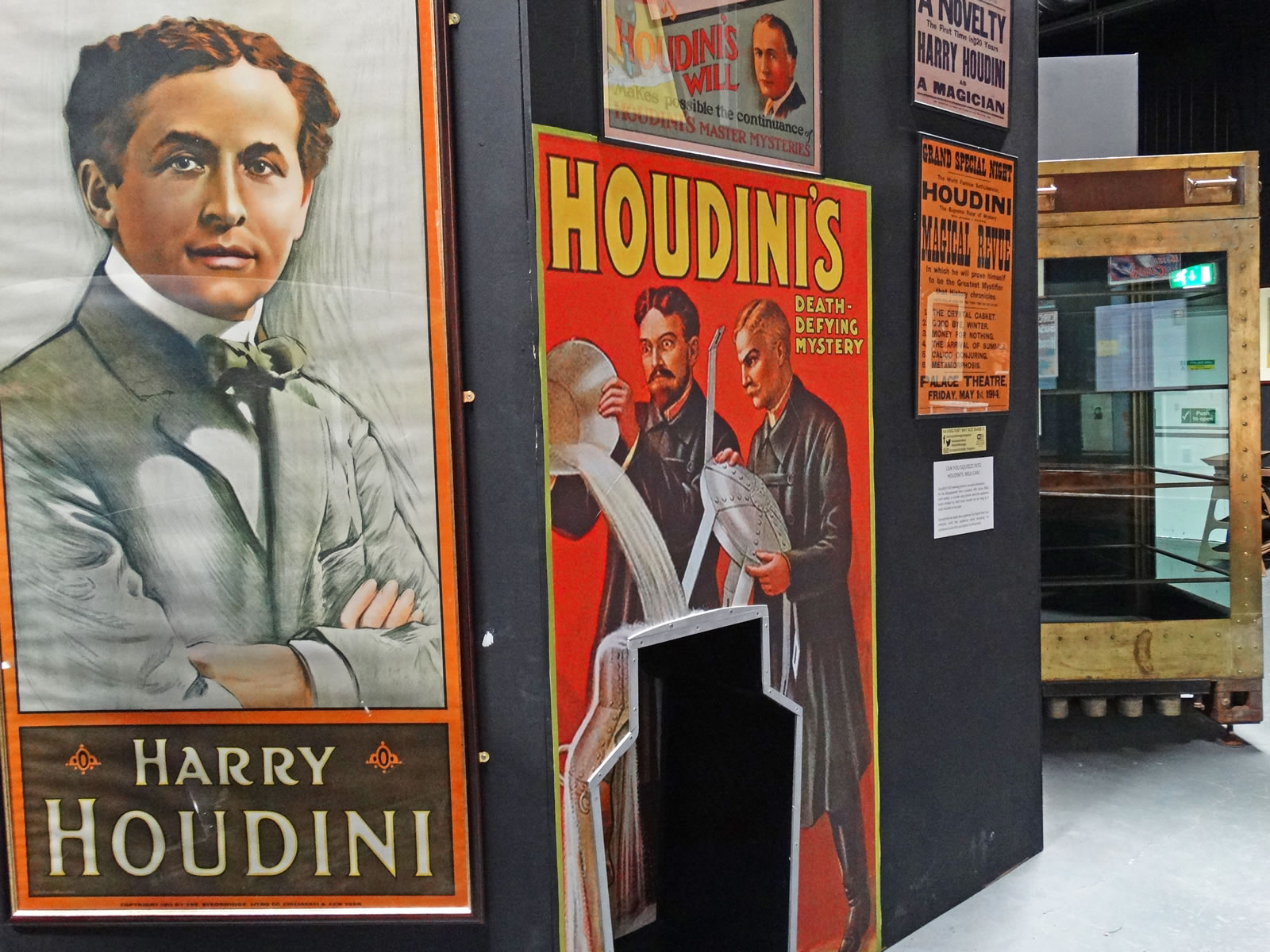
Situated on the outskirts of North Walsham you will find Davenport's Magic Kingdom. This hidden emporium contains a fabulous world of magic. Visitors are taken on a time-travel tour through 500 years of magical entertainment and in particular, the story of the Davenport family, who have been at the heart of British magical performance for over 100 years. Part museum, the highlight of your visit is a 30 minute family magic show. See our separate guided picture tour of Davenport's magic Kingdom. Unfortunately, Davenport's Magic Kingdom is currently closed. Why not view our guided picture tour? it is the only way to now see this amazing museum! |
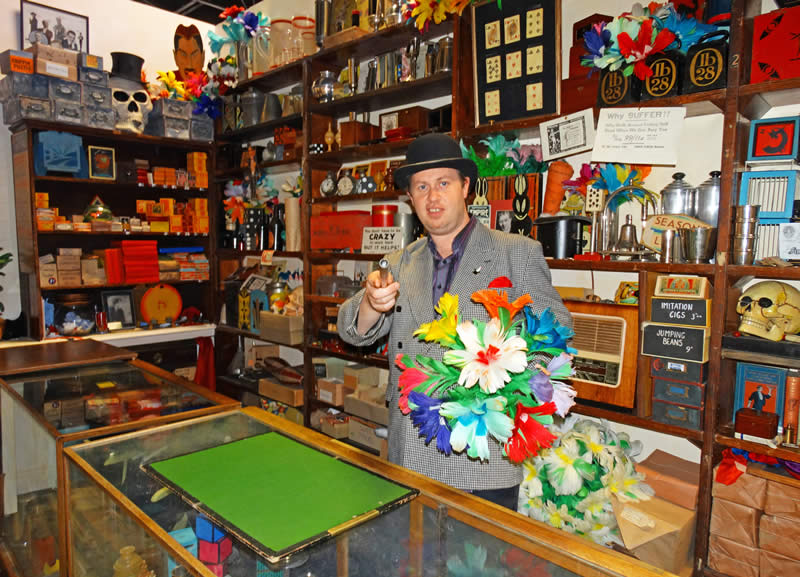
A replica1920s Magic Shop at Davenport's Magic Kingdom |
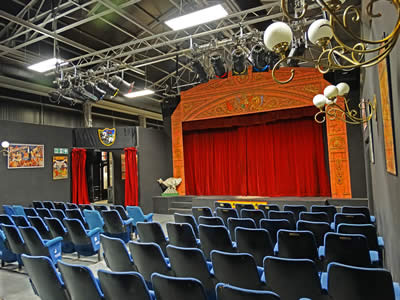
St George's Theatre at Davenport's Magic Kingdom |
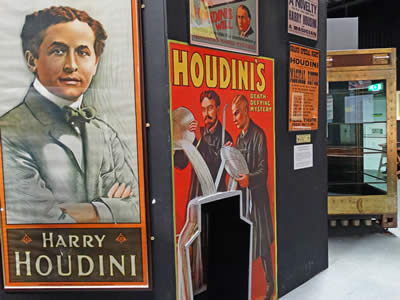
Houdini exhibits, including one of his famous water tanks |
In the centre of Little Walsingham is the Shirehall Museum.
Walsingham Shirehall was built in the early 16th century and was used as a hostel for important visitors to the Priory. It was converted into the Shirehall for a court of quarter sessions, which were held there until 1861, with petty sessions continuing until 1971.
The courtroom has survived since it was last used and is now part of the museum, which includes a comprehensive display on Walsingham as a place of pilgrimage, as well as local artifacts and photographs. |
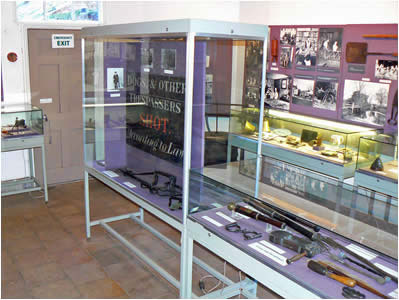
The Shirehall Museum Little Walsingham |
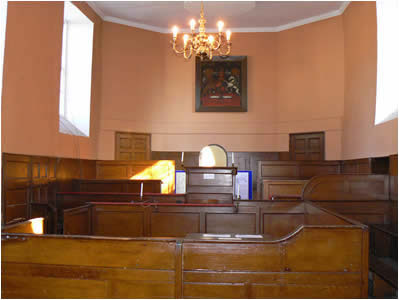
Courthouse at Walsingham Shirehall |
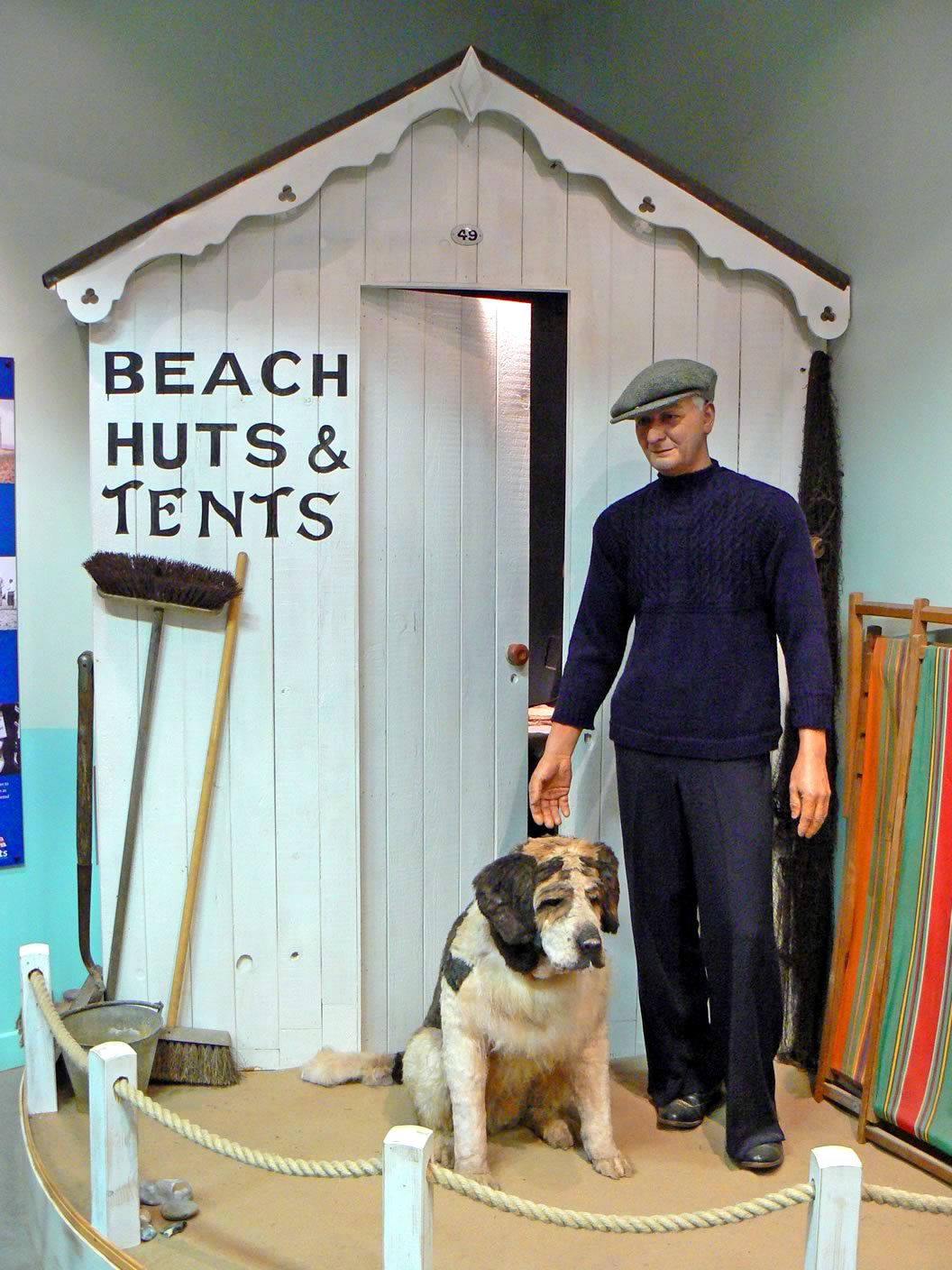
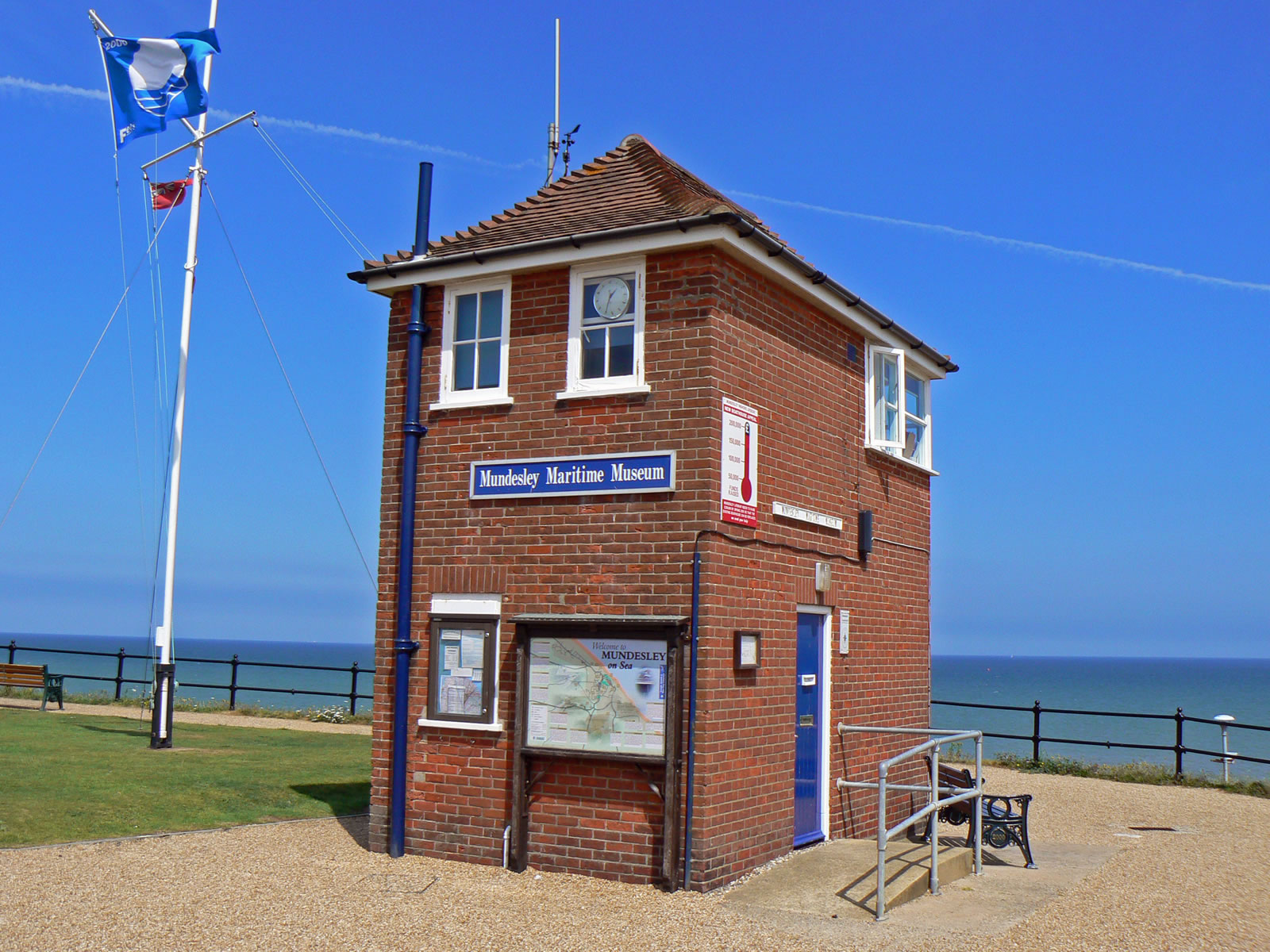
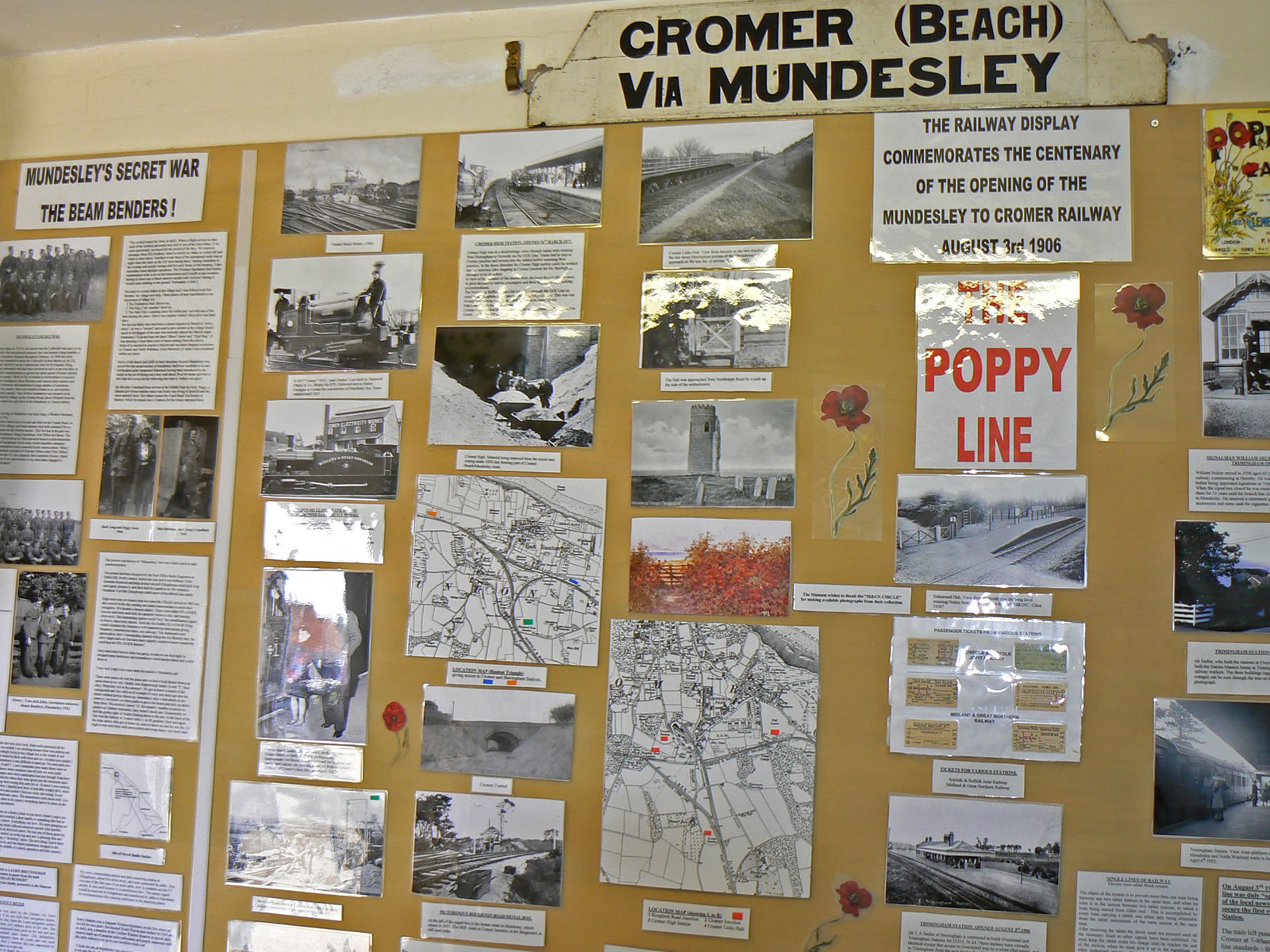
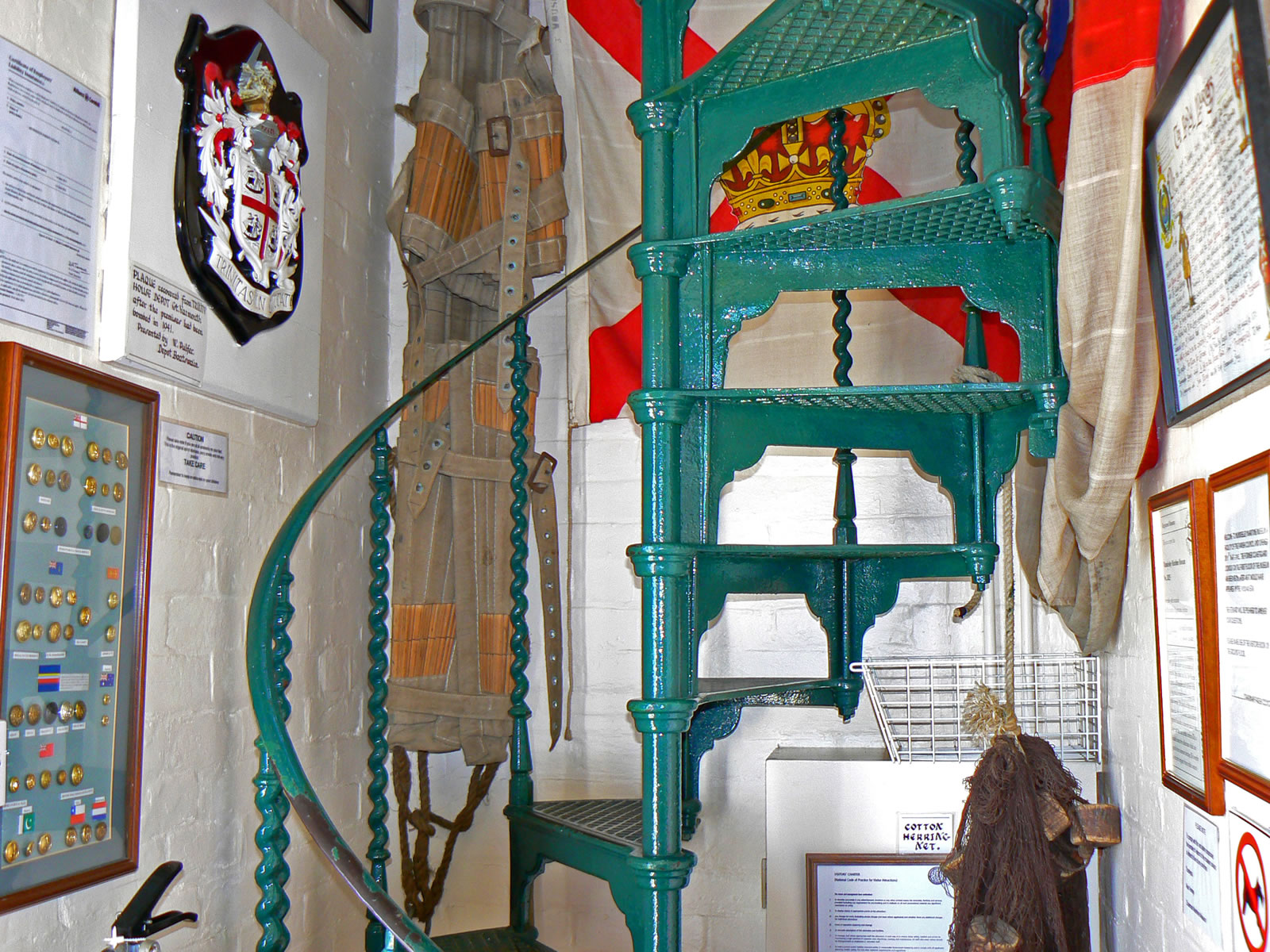
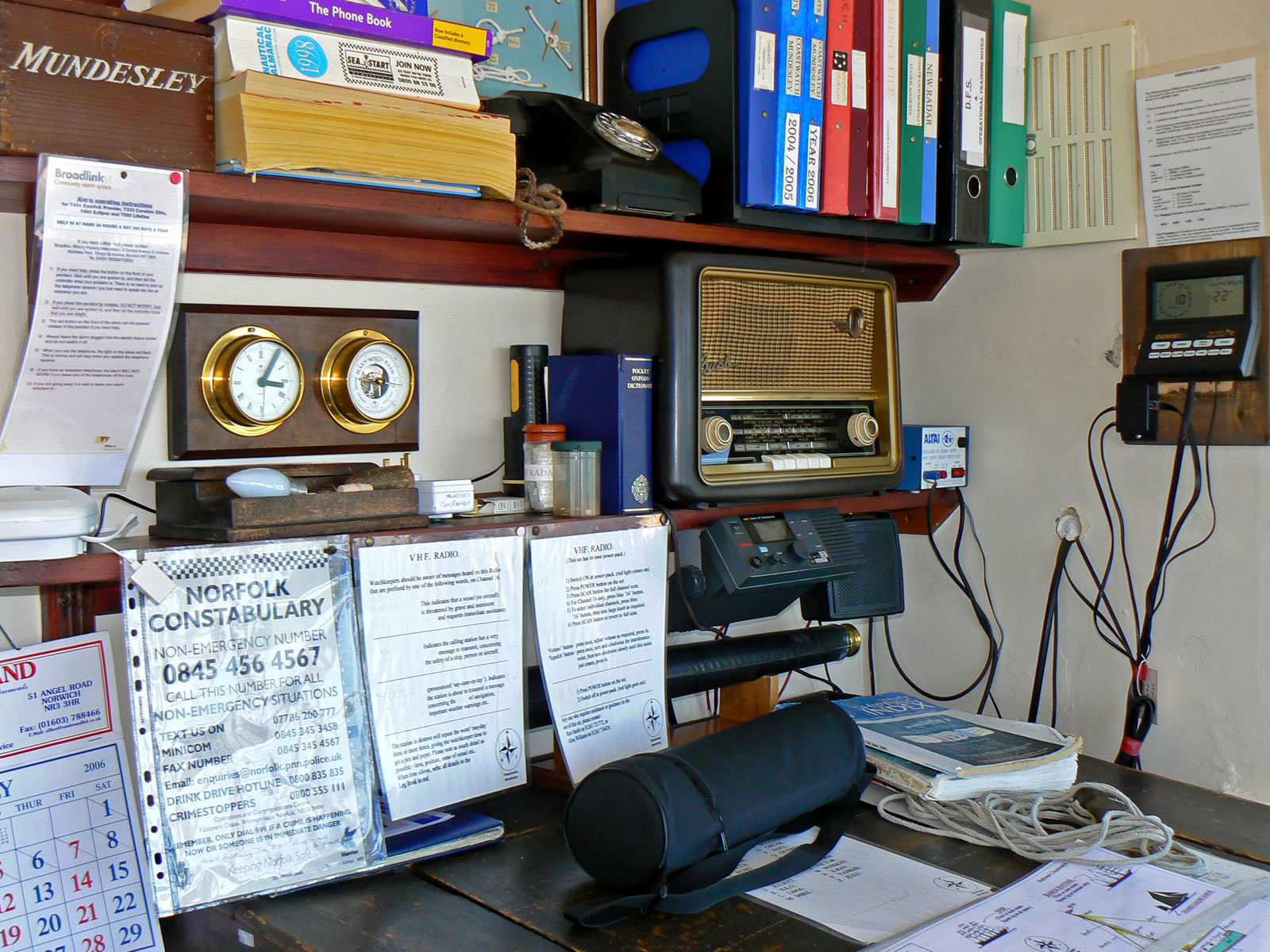
Located in Mundesley on the East Norfolk Coast, is the smallest museum we have ever seen! Using a collection of old photographs and memorabilia, the Mundesley Maritime Museum charts the history along this section of the Norfolk Coast. The museum also shows the work of the coastguard. The museum is manned by hard-working volunteers that not only staff the museum, but watch the activity on the beach and in the water and look out for anyone in need of assistance. |
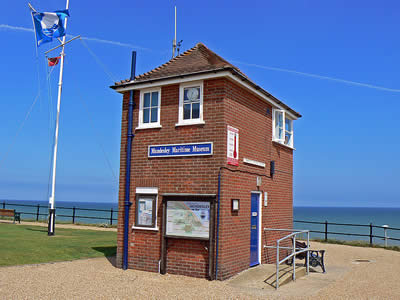
Mundesley Maritime Museum |
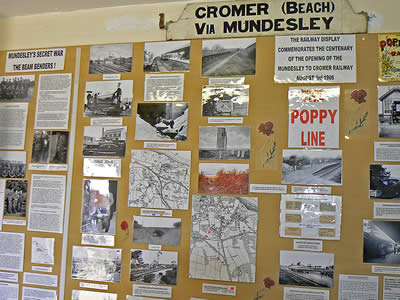
Old photographs in Mundesley Maritime Museum |
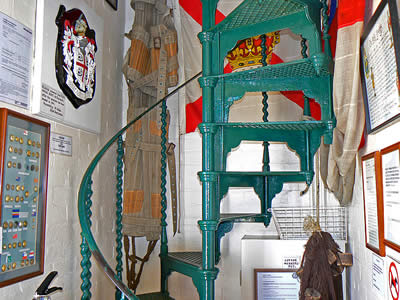
Stairs to the Coastguard |
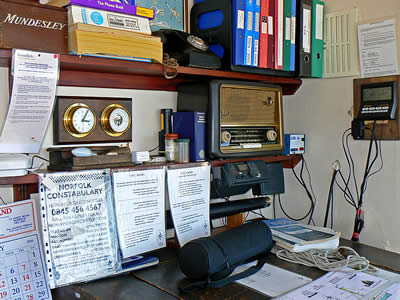
Old and new coastguard equipment |
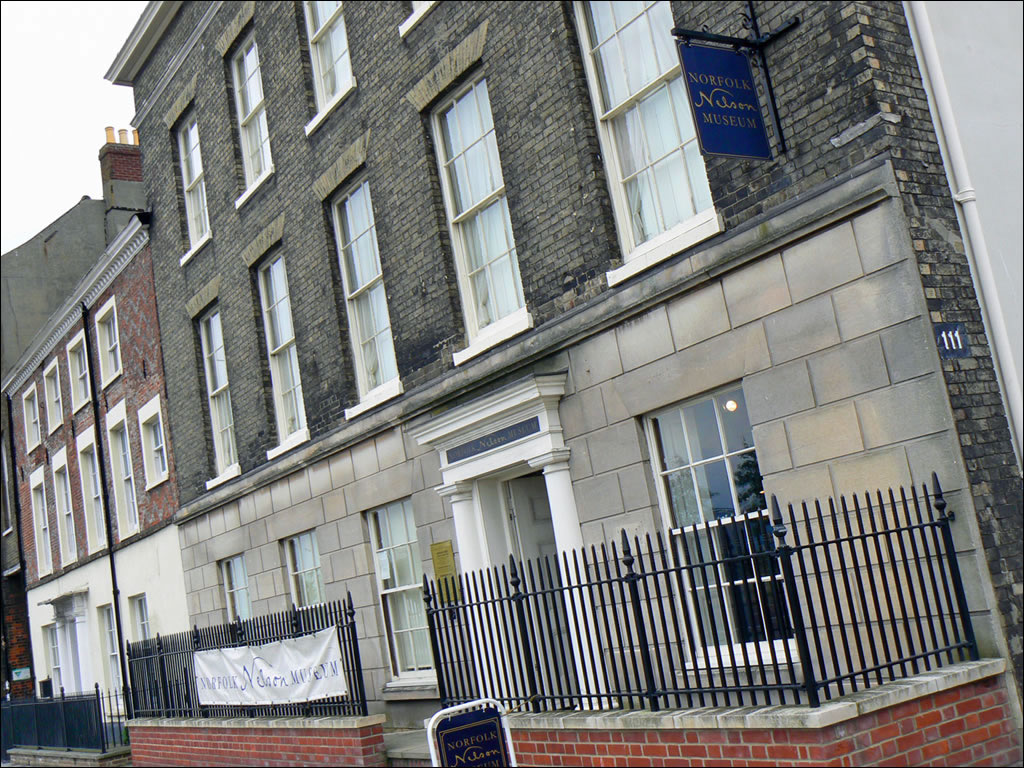
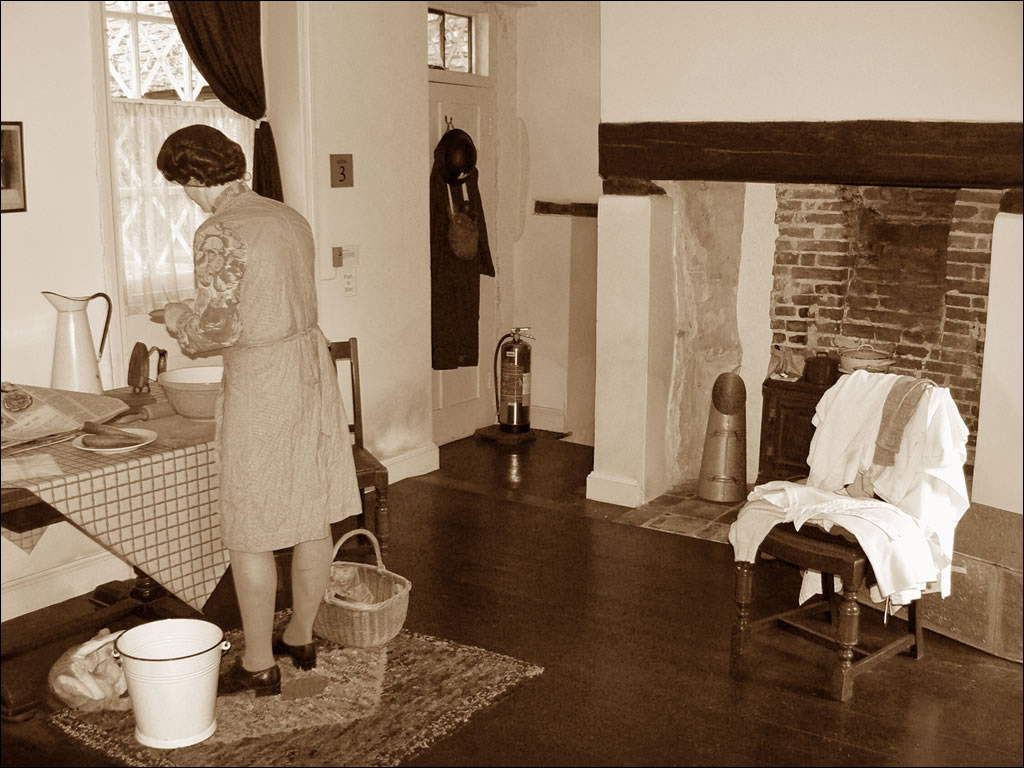
Great Yarmouth has a couple of museums, charting life in a great sea faring town, including a row of preserved houses ( Row 111) and the Norfolk Nelson Museum. |
|
|
THE MUSEUM OF THE BROADS
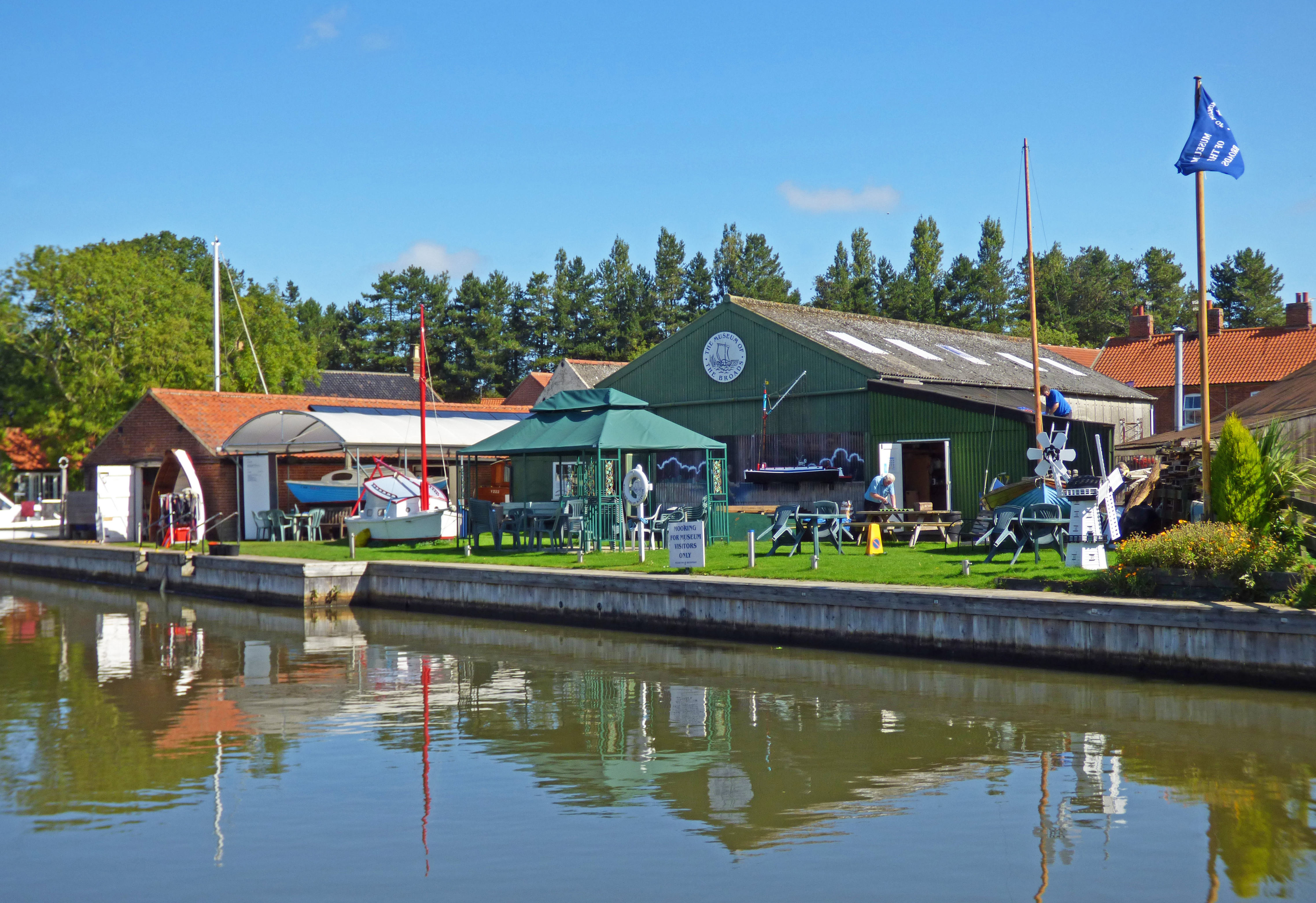
The Museum of the Broads showcases the life and times of the Norfolk Broads. The Norfolk Broads, one of England's unique landscapes, were formed by medieval peat diggings, which became shallow lakes, linked by winding rivers. Today they are a haven for both wildlife and recreation, but behind the tourist industry lays a myriad ways of working and living, much of which is on display in the museum. The museum is split into a number of themed buildings, with larger exhibits displayed out in the yard. |
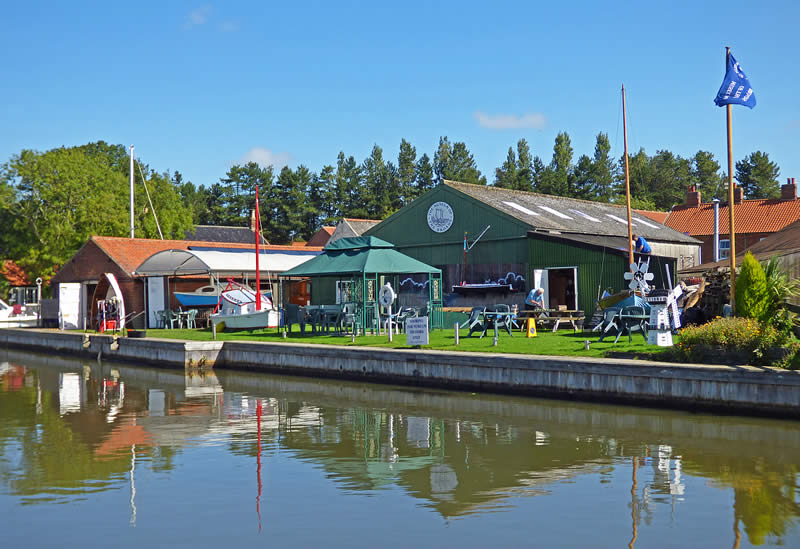
The view of the Museum of the Broads from the river |
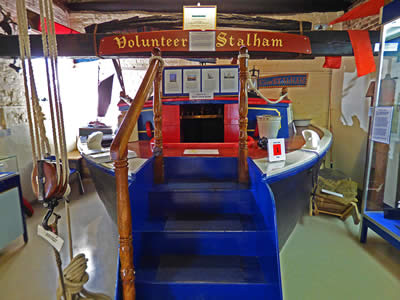
Norfolk Wherry in the Museum of the Broads |
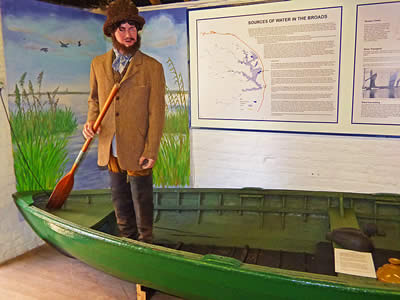
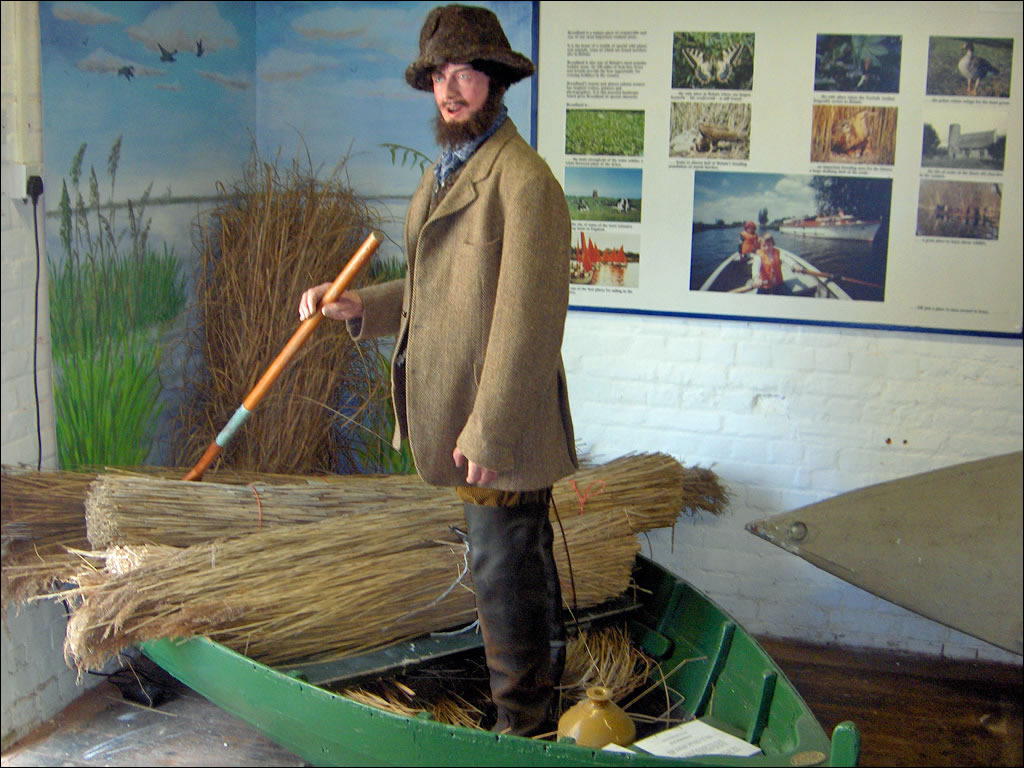
Norfolk Marshman |
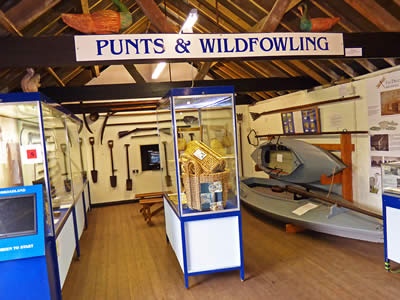
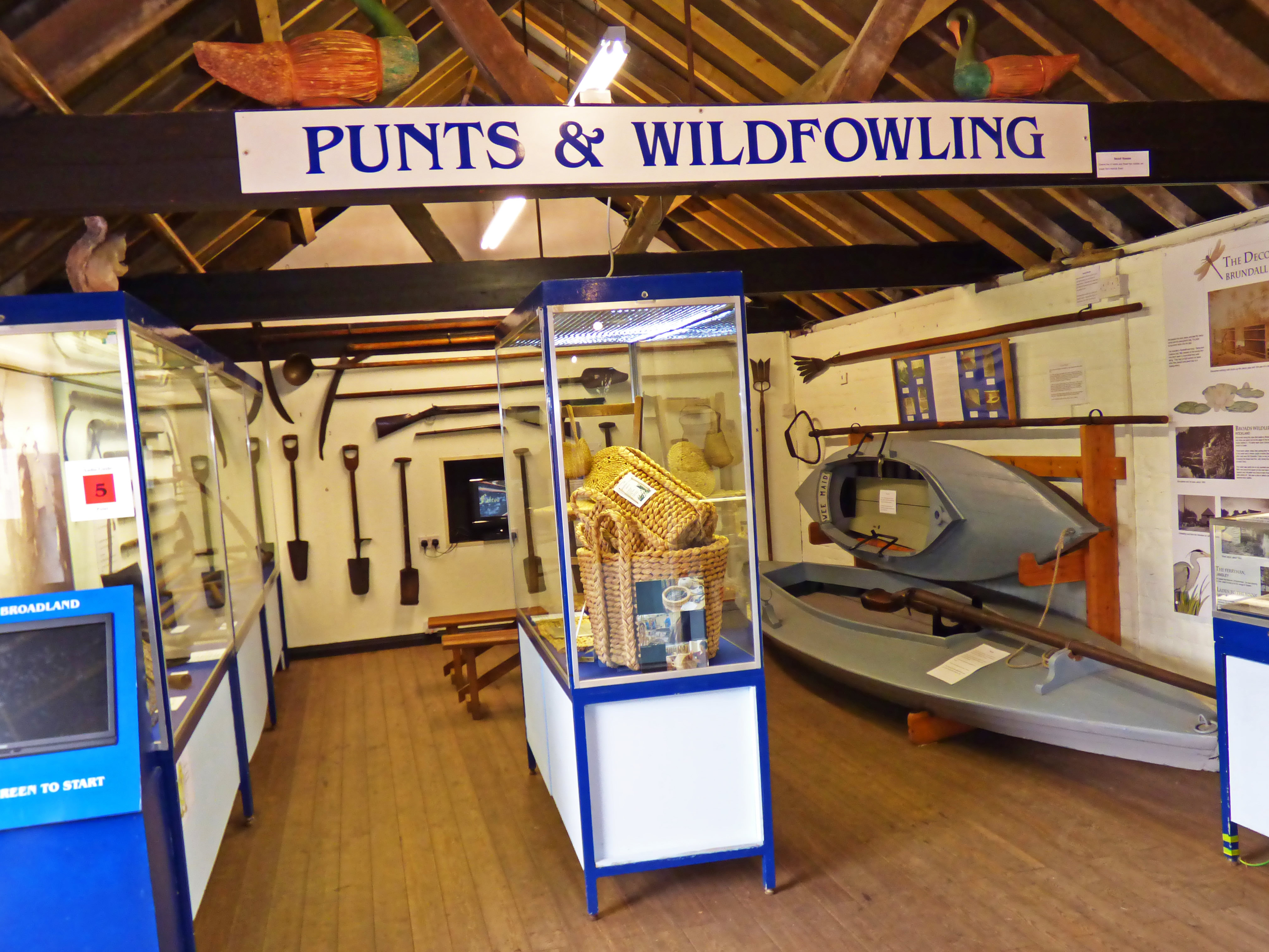
Norfolk Punts and wildfowling |
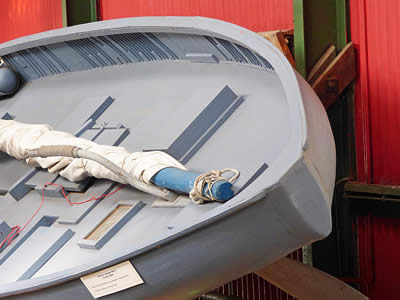
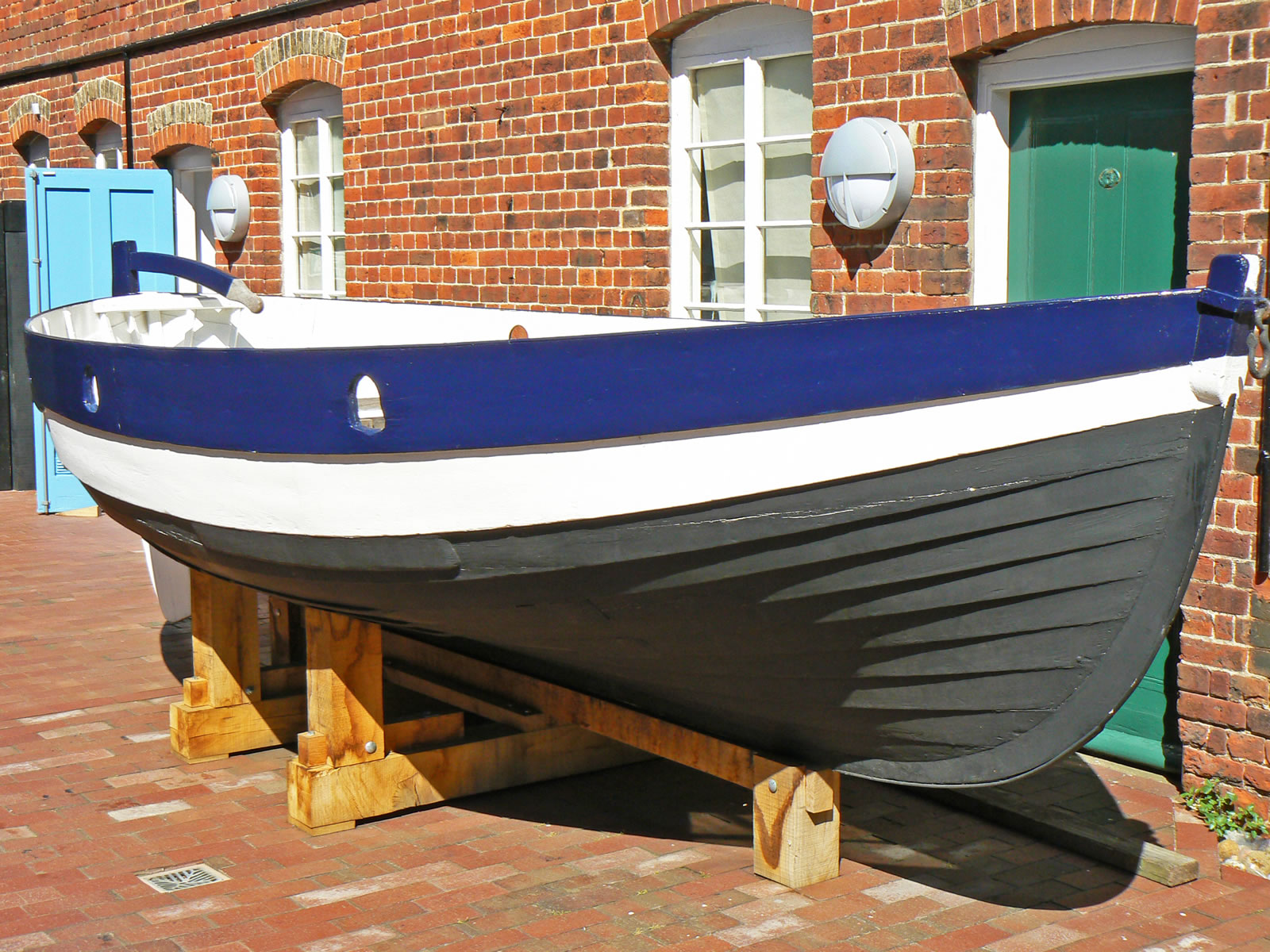
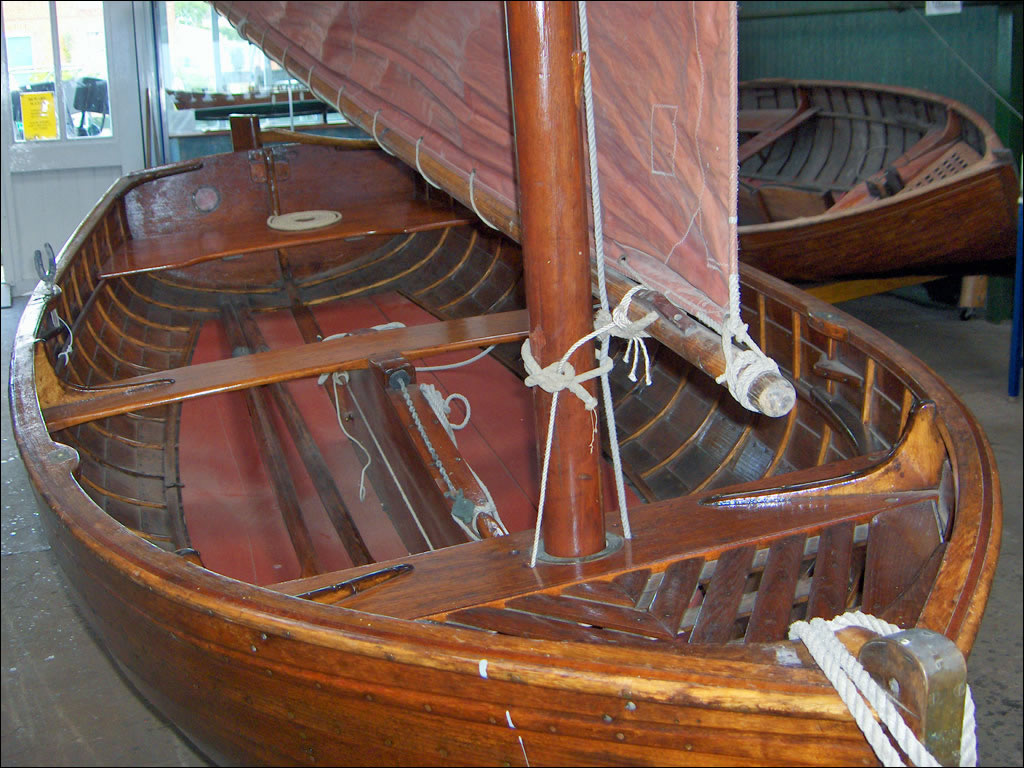
Wooden sailing dinghy in the Broads museum |
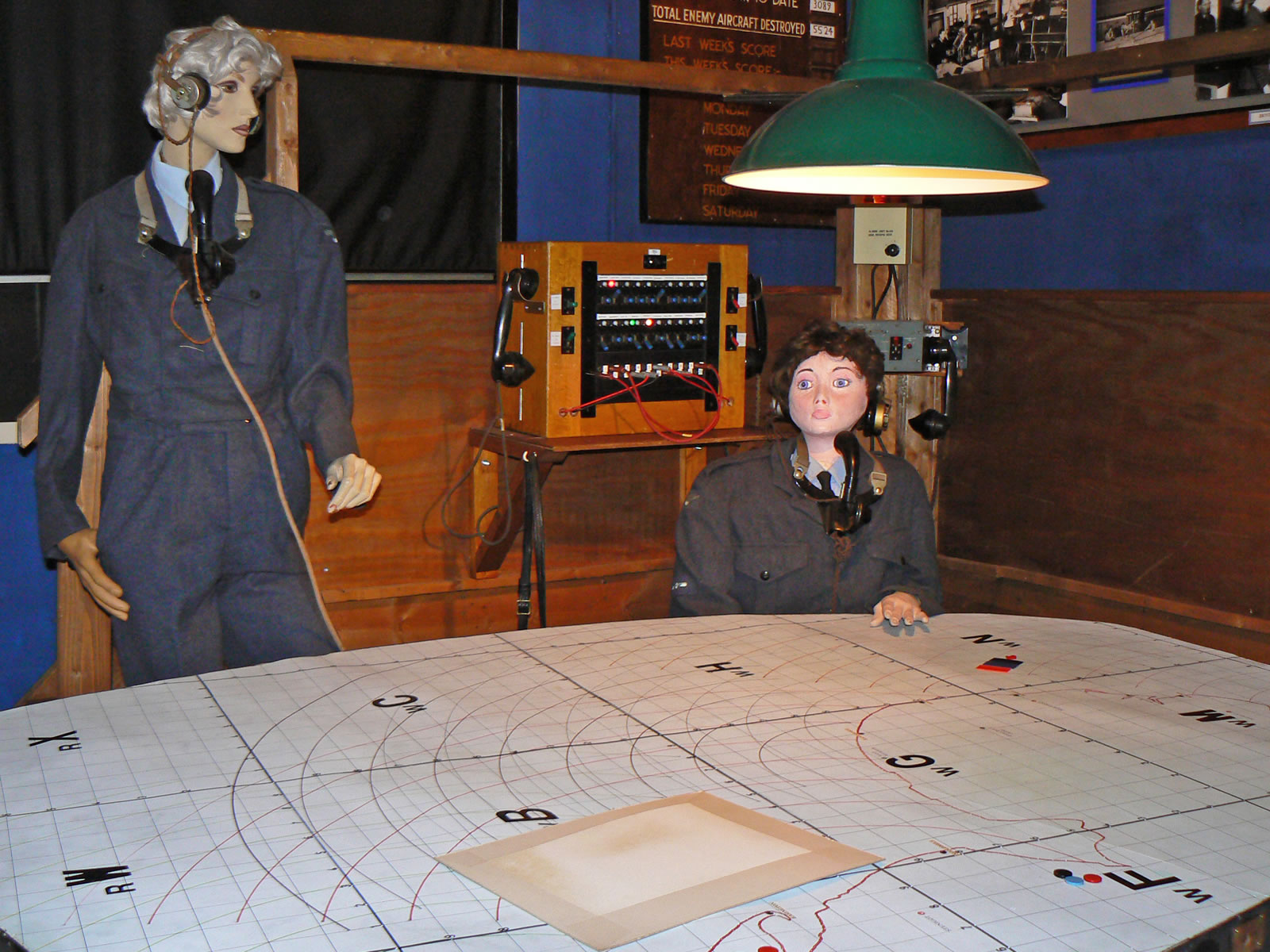
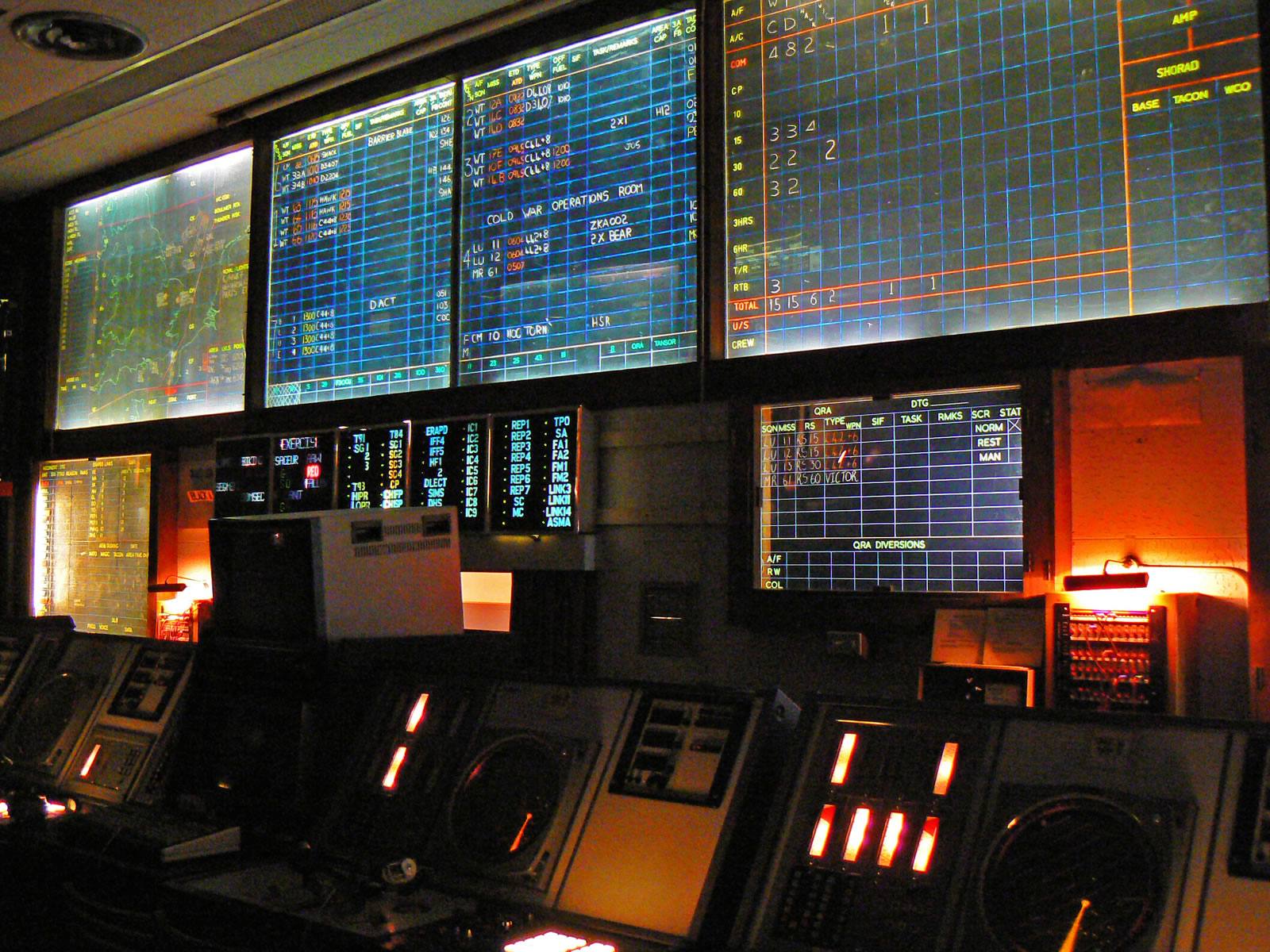
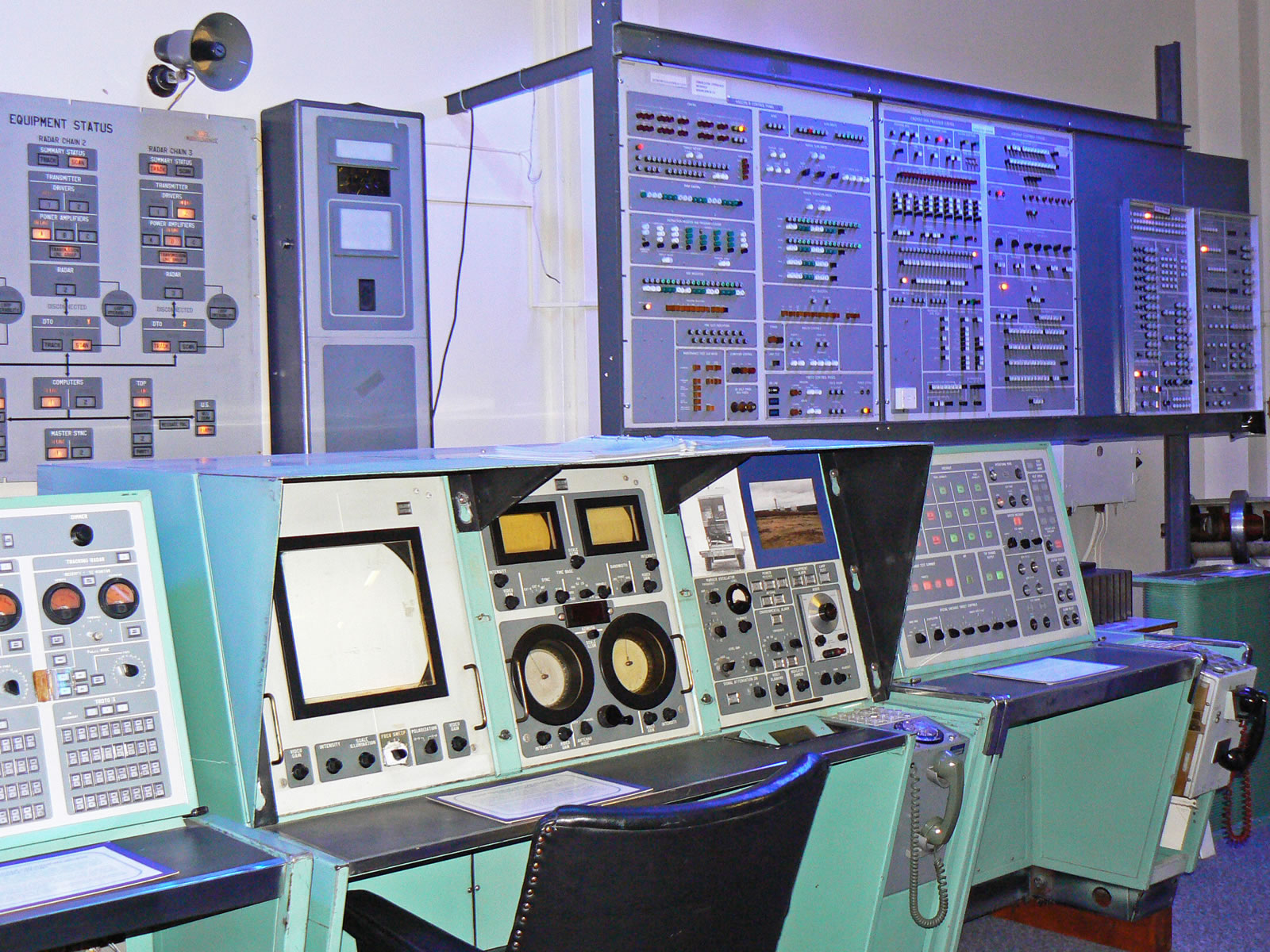
Also on the Norfolk Broads is the RAF Air Defence Museum at Neatishead. This museum depicts the secret world of RAF defence radar using many exhibits, models, photos, light and sound. It's centre piece is a Cold War Operations Room, left exactly as it was during 1954. There is also a replica operations room from the Battle of Britain and an updated operations room from 1942. A new addition to the museum is a number of rooms dedicated to nearby RAF Coltishall, which sadly ceased flying operations in 2006. |
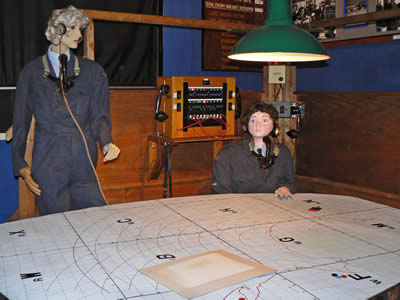
Battle of Britain Operations Room |
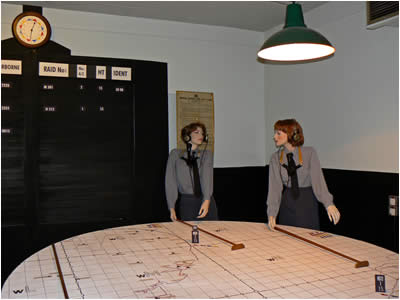
Updated Operations Room from 1942 |
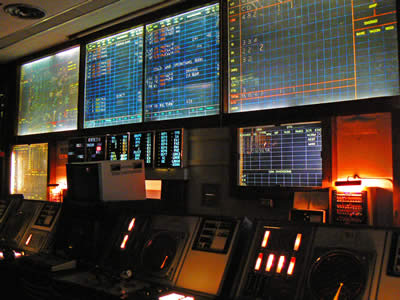
Cold War Operations Room |
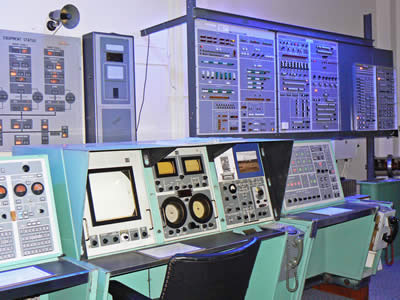
1950's Operations Room |
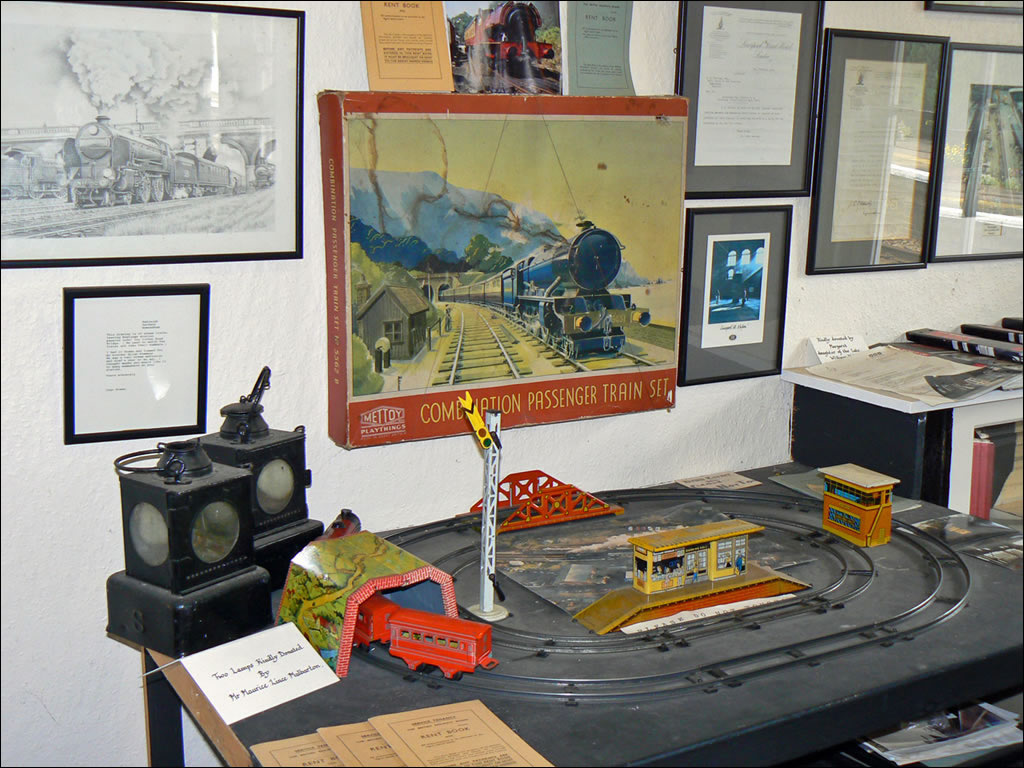
There are two museums in Wymondham. The Heritage Museum at the Bridewell, was a former prison (until 1827), women's house of correction (until 1878), a police station (until 1963) and a magistrates court (until 1991). It is now a museum showing local Wymondham history. Wymondham railway station, built in 1845 and on the Norwich to Ely line, is an award wining station that has been restored and one of its buildings houses a railway museum. |
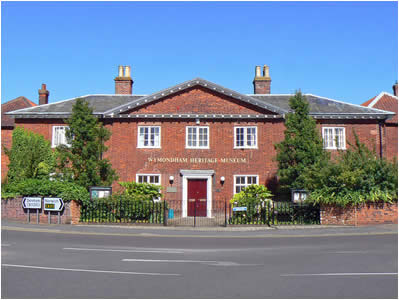
Wymondham Heritage Museum |
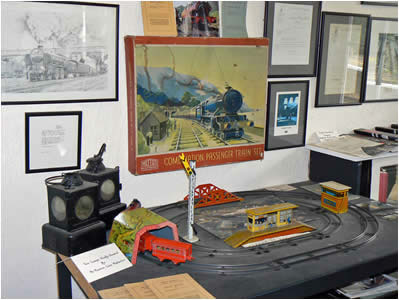
Wymondham railway museum |
|
NORFOLK PICTURE TOURS |
|
|
|
|
|
|
|
TOURIST ATTRACTIONS |
|
|
|
|
|
|
|
|
MORE OF OUR WEBSITES |
 |
 |
 |
| |
|